Frustrated with your scheduling? Try the easiest-to-use calendar app, made by and for maid service owners.


Brought to you by expert maid service owners
Listen on: Apple Podcasts, Spotify or YouTube
Introduction
Stephanie: So thanks for coming on the podcast that you technically own.
Amar: Yeah, exactly. Thanks for hosting me, I guess.
Stephanie: Yes, I am a gracious host, I must say.
Amar: Oh God, that’s so funny. Yeah, it’s like walking in your own front door and having your friend just being like, welcome. You’re like, thanks.
Stephanie: That’s fabulous. So Amar, I figured we could talk a little bit about mindset today. I think that that is a topic that is always pertinent for owners of any business really, but specifically in the cleaning business. I think that because a lot of our owners are in the field, they are physically doing the labor. It can be a special kind of taxing to push forward and even, I guess, see the forest for the trees, right? We get so stuck in the day-to-day operations and that survival mode of it all. And so I’d love to hear your thoughts on this as well as how did you get out of that? I know that you did clean for a little bit in the beginning of your cleaning business, but then just even in ZenMaid, did you experience that kind of, I just got to get through today, and just so focused on what’s right in front of you?
Table of contents
- Introduction
- The Concept of Working On vs. In Your Business
- How to Prioritize What to Work On
- The Mental Shift from Operator to CEO
- Understanding Control and Letting Go
- Learning Through Experimentation
- Dealing with Personnel Challenges
- Understanding Industry Turnover
- Incorporating Best Practices into Software
- The Power of Customer Support
- The Power of Being Niche
- The Transition from Manual Systems
- The Reality of Implementing Systems
- Building Systems Through Documentation
- The Importance of Boundaries
- Communication Evolution as a Leader
- Asking Better Questions
- Is This Even a Problem?
- Mountains vs. Molehills
- The Value of Sounding Boards
- Steel Manning Your Decisions
- Building a Culture of Open Feedback
- The Value of Design Calls
- Exciting Updates Coming to ZenMaid
- Closing Thoughts
The Concept of Working On vs. In Your Business
Amar: Yeah. So I can really speak a lot more to my experience with ZenMaid, I think, than the cleaning business. And so, but I think there’s definitely important parallels. And so I think that we’ve all heard the concept of working in the business versus working on the business, right? And so if you’re actively cleaning every day, then you’re still working in the business, that you’re the one providing the actual service that’s ultimately paid for. And that’s great. That’s how a lot of people start. And for a lot of people, that alone is a great opportunity where they can make a lot more money than they’d be making with regular employment. I had the same thing with ZenMaid, but instead of cleaning, it was maybe doing the actual sales calls, writing the actual marketing campaigns. I was pretty much doing everything except for the actual coding at the beginning. And my approach was every single day, I would start and do just one small task that was working on the business before I worked in the business. So what generally happens is the earlier you are in your journey, the more of your time you have to allot towards working in the business just to keep everything going, to pay the bills, to keep the lights on. What happens where people get stuck is when they don’t spend enough time working on the business. And what I’ve seen just as pattern recognition is the people that try to wait to do that stuff until the end of the day when they’re really tired are going to really struggle with that. And even if you’re a night owl, for me, it just really helped of just cool, ten minutes in the morning, just write one marketing email that you can reuse every month or every year moving forward. And that’s just one little example of working on the business. So that to me, I think, was the biggest thing in terms of just building, you know?
Stephanie: I totally can agree with that. And that was my experience as well as I just had to get up really early before all of the chaos kind of ensued and completely derailed me because you simply do. You might be cleaning, you might be getting pulled into the field or having to deal with things that you did not expect, of course. So if you wait till the end of the day, even if you are a night owl, I find it’s not even, it’s just the mental taxingness of it all and the energy of it all. And you’re just so depleted to actually do any critical thinking by the end of the day. Honestly, I can do really drudgery work or even clean into the night. But tactical thinking, absolutely not.
Amar: Yeah, exactly. I’m exactly the same the same way. Anything strategic, anything that’s a new implementation, you’ve got to figure things out. There’s any sort of creative element, at least for me, it’s mostly morning stuff.
How to Prioritize What to Work On
Stephanie: How did you make decisions based on, you know, we’re saying this phrase and I just want to be cognizant of people might not even really know what we mean by working on it. Working in it is very clear. So how would you describe working on the business? And how do you make decisions on what to work on, how to prioritize? Because as a small business owner, everything feels on fire.
Amar: Yeah. So to me, working on the business really just means working or doing something that’s going to help you on an ongoing basis. And that’s a pretty loose definition. But to me, there’s a massive difference between cleaning the bathroom, right, and documenting how you’re cleaning the bathroom. And if you document how you clean the bathroom, then you’re taking a step in a direction where now when you bring in a helper, you have something to show them. You may still need to train them on how to clean the bathroom, but you can now at least give them a video or give them a document or give them something to follow. And when you stack little things like that to where you have all of the parts of your business thought out that way, it just removes a ton of the friction and then it allows you to bring in other people to then do the work, which is what ultimately creates a business that can survive without the owner, right, which is usually the test of a good business. So that’s really in terms of going about working on the business in terms of how to prioritize with that. I think that my mind has kind of changed on this over time. So there’s two things. So if you’re really driven and capable and, you know, maybe just you feel like you’ve got this right, then prioritizing is going to be really about what’s the biggest challenge, what’s the biggest bottleneck, what’s going to move the needle for your bottom line the fastest. If everything that I just said sounds overwhelming or it’s your first business and you don’t know how to identify what the bottleneck is, to me, I would just start with the points of the lowest friction and just build momentum. So to me, it’s more important that you show up and work on your business for 10 to 15 minutes every morning before you go out and clean than it is that you necessarily prioritize all the things in the perfect way just because you’ll get there eventually if you just do 10 to 15 minutes a day and just don’t give up. And over time, you want that to build up more and more. So, you know, now for me in the business, we’re 13 years on and I’m not really needed in the day-to-day anymore. So all of my time is spent really working on the business. Very little is spent working in the business anymore. And so that’s where you ultimately want to get to or just not being in the business at all, right? For me, I’m here because I love working with the team and solving these problems and stuff. But lots of people want to just step away entirely.
Stephanie: Pretty much what you’re reminding me of is kind of the snowball method of paying off debt, which is kind of goes against math oftentimes of paying off the debt with the highest rate of interest, whereas the snowball method is completely psychological. Knock out the smallest one and gain momentum, which is exactly what we’re kind of describing here is start getting momentum because I think people really get stuck in this overwhelming freeze. And I think even us using the word systems of, oh, this is my lead management system or whatever. This past week I showed you Serene Clean’s lead management system. And that can be really overwhelming when you’ve never put into place anything. So I think taking things and breaking it down to the literal smallest piece of action is oftentimes what’s actually going to move the needle.
Amar: Exactly. It’s what can you repeat and what can you document that you can repeat?
The Mental Shift from Operator to CEO
Stephanie: Do you see any, I guess, really big shifts in mindset perspective for you now that you are pretty much removed from the daily operations as am I? I am removed from the daily operations of Serene Clean. And I know for myself, I’ve sensed a huge, I guess more relaxed mindset. I think I’m so much less psychotic than I was because I had to be, but that almost feels like a luxury. I don’t know if I could have this relaxed demeanor in the beginning. Do you relate to that at all?
Amar: I feel like I’ve always been pretty chill about it, but I mean, honestly, this is one of those ones where I think that it probably comes down a lot to software versus cleaning. And the reason that I say this is, if you’re cleaning, if you’re an owner operator, you’re probably spending, I don’t know, let’s call it, you know, 30 to 40 hours a week cleaning. If you work more, you’re working more, but let’s call it 30 to 40 hours a week. And then on top of that, you’re doing all of these extra things, you’re trying to keep up on the marketing, you’re trying to keep up on the admin, right? And so it’s basically like you’re working 60 hours a week or something to hit both. In software, when I have to do that stuff in the business, it’s usually just here and there, a couple of urgent calls a day or this and that. You know, you still get to that point of exhaustion, but I felt like just from the volume that you have to do if you’re actually in the field cleaning, it’s a lot different. And so I could see how, I can see how maybe my answer would have been a bit different if I was doing that. For me, honestly, it hasn’t changed that much. And I think that I come from a family of entrepreneurs. And so I know a lot of friends whose parents weren’t entrepreneurs or who aren’t entrepreneurs themselves. And they’re not built for it and they get anxious about things that kind of come with running a business. But to me, I’ve seen that my whole life. And so it’s just kind of a mindset that I approach things with.
Stephanie: Yeah, I definitely, there’s some, you know, privilege in that. And I’m sure you’re very grateful that you had that exposure, but that exposure is super valuable for whether you’re going to be the right type of person for that. Not everybody has to be an entrepreneur or a business owner. And that’s actually super valuable to know about yourself. But I would say the majority of business owners have actually gone against their parents, whether that’s intentional or not, or that they’re just saying, I actually want to do this. And they’re coming from the nine-to-five, hourly wage world. And so that is, you know, when you don’t have that exposure, it can be a lot more jarring and a lot more stressful and a lot more uncertain. And so I do think that I can, if I had the exposure from birth, so to speak, of okay, this is what entrepreneurship looks like, and what the cycle is, and how this, the path goes, then I do think I probably would have been a lot more relaxed. But I think the anxiety that, you know, I had in the beginning and the extreme levels of stress and not sleeping and just everything, was rooted in probably a lot to do with just not knowing if I was doing it right. And when you’re, when you don’t have a framework or an understanding of what success and failure looks like, you just don’t have an idea of where you are. And so I think that definitely is a huge driver of that.
Amar: Yeah, no, I think that’s so true. And I think that, and I see this a lot, where I think that having a coach, having some sort of, you know, whether it’s just this podcast where it’s just kind of, you know, hearing different stories or joining a community. All of those sorts of things, I think people underestimate how important it is to have peers that you can compare notes with or just to kind of be around. And I think that it’s not even so much about specifically knowing about what you should do, but knowing that you’re not alone. And to know that it’s a normal thing where you wake up on a Sunday night and you can’t sleep. And you’re just because some contract fell through or because there was some mistake that someone made or whatever it is. I think that people are like, oh, what’s wrong with me? I’m not doing this right. And it’s like, no, everyone, everyone else is going through this. I don’t know if that makes you feel better or not, but everyone else is going through it. But no, I mean, I definitely agree that having that network or having that community and especially having some mentors or some coaches that, you know, if you can afford it or, you know, whatever it is in your situation. But yeah, I mean, I think that, I think that’s really important.
Understanding Control and Letting Go
Stephanie: Oh yeah, that’s a really good point is loosening your grip on the control to allow the business to flourish as it needs to, right? Because for myself, I’ve got fantastic managers that are running all of the daily operations just as you have folks running all of the daily operations. And I think that especially, I think control issues is one of the biggest problems I see most owners, especially when something goes wrong, because that is validating their logical fallacy there of, oh, see, that’s evidence that you can’t let go. So what do you think about control?
Amar: One of the most common things that I see being said is, oh, no one cares as much as I do. Or, I keep trying to hire cleaners, but they just don’t clean as well as I do. I think those people are expecting someone to come in and say something along the lines of, oh, it’s easy. You just need to get this program and then they’ll clean as well as you do. And I don’t know, maybe it’s a surprise. Maybe listeners have heard this before or whatever, but the actual counterpoint there is, duh, and you need to make that work, right? If you want to make a lot more money than you can make on your own, you need to hire 30 cleaners that are not going to be as good as you, and they’re not going to care as much as you, because it’s not their business. And that’s okay. And there’s plenty of people out there that have built amazing businesses off of that. I remember hearing recently of something about the key to McDonald’s success is essentially being able to get minimum wage workers that just do not care to deliver a very consistently, just a very consistent product. I was going to say quality, but let’s not get into that. Let’s just say McDonald’s is unbelievably consistent. That’s what they’re known for. And so you’d think it’s, oh, it’s that. But yeah, I was listening to something that was just, yeah, but now imagine doing that with minimum wage workers. And that’s what’s insanely impressive about that operation. So cleaners, I think most listeners will be paying cleaners considerably more because it’s quite labor intensive and quite specialized work, even if, you know, we’re not given credit for that. And when you take that into account and everything, even when you’re paying, you know two, three times minimum wage or whatever, they’re still not going to care as much as you’re going to care and that’s just never going to change. I think that it’s really, frankly, a get over yourself moment of why would they? They shouldn’t and it’s absolutely unreasonable to expect somebody because it’s not their business. They should be able to clock in and clock out and not think about this where we are the ones who ultimately get more potential reward, should get more reward financially and lifestyle and all of these things. So it’s just keeping a healthy perspective of all this of, don’t expect people to care as much as you. It’s great if they do. And obviously align on core values and things like that. And what you’re mentioning McDonald’s, the original franchise, basically, and basically falling back on systems. And that’s kind of what I think is a huge part of a successful scaling cleaning business is that the lowest common denominator is everybody follows this system, right? It’s consistency.
Learning Through Experimentation
Stephanie: And I think that one thing that I certainly did when I was smaller, business-wise, not physically, I guess, I would be. When I was smaller, I wanted to do all of these little special, very bespoke things or even things, I wanted my cleaners to all get massages every month. And I was absolutely delusional on what actually is scalable and what is not. And I don’t think everything needs to be scalable in the beginning. We shouldn’t even really be thinking, I think we talked about that the first episode, that shouldn’t really be the focus. However, as you do start to grow, you kind of have to trim the fat on a lot of those fun things. I don’t know if you want to even call it that, but I mean, did you have any experiences growing ZenMaid where you’re, oh, this, I can’t keep doing this?
Amar: Yeah. Oh yeah, definitely. All sorts of things. I mean, I think for that, it’s just natural. I think that’s just learning and that you’re going to have things that are going to work for you. You’re also going to have things you’re going to try that just aren’t going to work for you. Right. And that’s the thing with entrepreneurship is there’s no guarantees. And you might be in a Facebook group or in a messenger chat or whatever with a couple of friends and a couple of them might be growing massively on Nextdoor and it doesn’t work for you, right? And it’s just, that’s part of the process, you know. So yeah, I mean, there’s just no guarantees for what’s going to work. And really, it’s just sticking with it until you find what’s kind of your jam. Viewing everything as an experiment and not being so hung up on the results and just kind of, okay, what can I learn from this? Especially when it comes to hiring, considering that’s where I think most people get, customers can be frustrating, but I would say employees are going to be the thing that people throw the towel in over. It’s not customers. Because the amount of investment that goes into employees is so far and above any customer that you will ever have. And that means that the emotional fallout of that and frustrations are going to be higher as well. And I don’t know if we’ve ever talked about this, but in the beginning of ZenMaid, did you have any real, oh shit, that really sucked staffing? Whereas that felt like a huge blow when you lost them or a situation happened. And you don’t have to go into detail, of course, but how did you grapple with situations like that?
Dealing with Personnel Challenges
Amar: Yeah, I mean, one of the ones that comes to mind is we hired a support person back in the day, and it was like we rejected a bunch of candidates and shut down the entire process. And within two or three weeks, it was clear the person just wasn’t working, literally didn’t respond to a single ticket during a four-hour shift. And then when we asked her about it, she was like, oh, I just, I didn’t know how to answer any of them. And we were just like, that’s the move, just ignore it? Yeah. It’s like, yeah, exactly. It was just, I know that you’re two or three weeks in, but what did you do at that time? And it was, she just she couldn’t. Yeah. So yeah, I mean, that was one. I mean, we’ve definitely had, yeah, I mean, I think, I think if we didn’t ever had team members leave who it’s like we were gonna miss them, I think there’d be an issue. But I think that that, honestly, we’ve been pretty blessed when it’s come to personnel, where even when we had team members who left who we really would have wanted to keep, we, yeah, we, it’s all, it’s always been on really good terms. I read some of the stuff with, you know, cleaners just not showing up to homes, and I’m like, thank God, my software just shows up every day, right? If the developers don’t show up, the software still does. So much better. But I just feel like, and I don’t know if this is really transferable to cleaning businesses, it must be, but I think that we’ve just kind of shown over time, where team members who are leaving, they don’t want to leave current team members in a bad spot, or the company in a bad spot. And so even if it’s, you know, we pay for a couple more months of consulting or whatever, I feel like we’ve always had very smooth handoffs. I feel like I’ve been very lucky, because in my year running a maid service, I had a lot more personnel issues than I’ve had in 13 years running ZenMaid.
Understanding Industry Turnover
Stephanie: Well, and but that, that statement right there, really puts into perspective of, this is a higher turnover industry. I don’t know what the average is. I know that there’s numbers on this. And actually, you know, whereas Alex, you can have him pull the numbers of how many users are turning over within a cleaning business, right? And so I think that just being aware of that, it does help for me, blunted of, more shrug, this is just how it is, doing what, and accepting that this is always going to be the struggle. This isn’t for us. This is the number one struggle, always will be for Serene Clean, and you just have to put things into place to try to circumvent and mitigate this problem so you can keep growing. But you know, just for you guys, what are the problems that you are always going to face? Do you feel like there’s some that are just, this is always going to be the bottleneck? Or has that really shifted and evolved as the software has grown?
Amar: Yeah, yeah. I think it’s really shifted and evolved as the software has grown. I mean, I think it’s the same bottlenecks over and over, but it does kind of rotate between departments. And I mean, to me, what’s crazy is that after 13 years, it’s like, I probably have more ideas for the software now than ever before. In some ways that makes a lot of sense, but you’d think that I’d be running out of ideas after 13 years, and it’s, no, no. It’s, we’re still just, you know, getting started, and it’s weird. It’s weird to verbalize, but it’s important to remember, right now ZenMaid is the worst that it’s ever gonna be, right, that it’s only going to get better from here. And so, yeah, but essentially, the bottleneck is constantly changing. And it’s quite fun building a SaaS company, I feel, with building a cleaning company, there’s only so many layers of management, there’s so many layers that you’re going to kind of put in. And with a software company, yeah, there’s a bit more variance that way. And so when I look at our ability to design features now compared to maybe five years ago, it’s just, it’s a completely different experience for our users and for us to actually make these things a reality, whereas I feel like for a cleaning company, if you’re an early customer of a cleaning company, your experience doesn’t change all that much as the company gets really big. Whereas I feel like for ZenMaid now, I mean, you look at the product that you’re using every day in comparison to what it was six years ago when you first signed up for ZenMaid, and it’s a different experience because of all of the resources that we’re just able to bring more and more every year.
Stephanie: Yeah, it’s such a good point. And the beauty of a cleaning business is it is pretty dead simple, meaning it’s not some mystery as to what to do. It’s just hard to actually do it right, and to do it consistently and grow, because really it’s, okay, staffing, sales, there we go, solve those problems, and that’s it, and training and all of those things that go into each of those. But it really is that simple, which is beautiful, because I think we can overcomplicate, and it’s very attractive for that. However, that means when it’s running well, it’s kind of boring, which is a great thing. That’s a good thing, but that’s where I’ve really enjoyed my work with ZenMaid and seeing kind of the inner machinations of how new features are coming out. And it’s very exciting. And I think when you opened ZenMaid, it was, oh, we’re just fixing this one problem, right? The schedule. But it’s kind of amazing how many little bite-sized pieces that can be affected, you know, in a business. So, yeah, it’s really cool to see all of the features, and it’s happening so fast now.
Incorporating Best Practices into Software
Amar: Yeah, yeah, exactly. With what the technical team has been doing and laying the foundational work, yeah, we switched over some of the underlying tech and, yeah, we’re just, we’re able to make changes so much faster. But I think one of the best things that’s been since you’ve come on board, and working with you, is, I think that we’re beginning to look at the software, I mean, the software at its core, it’s still the same thing that it was 13 years ago, simple scheduling software for maid services. But I feel like more and more, we’re beginning to sort of insert best practices and beginning to incorporate more of our marketing content, of, hey, here’s why you should be doing things this way, and then matching it with the features that we’re actually offering in the software, where more and more I feel like if someone was brand new, or even if they weren’t brand new, if they’d been in business for a couple of years, you sign up for ZenMaid, and it really is going to up the level of just professionalism and consistency across the business. And, you know, I think feel like every time you and I have a chat, I just come out with a couple years more work for the team.
Stephanie: So I know, every week in the design call and be like, you know, it’d be really great if we did. And it’s, stop talking stuff. There is, you know, actually, the past couple solo episodes that I have that went live in the past few weeks has all been about the choices and the decisions that we can make, because there’s a lot of ways to skin the cat of running a cleaning business in a bunch of different areas. You can be successful as a cleaning business running it very, very differently than how I run Serene Clean. And so it’s been really cool to also just be exposed to that through working with ZenMaid, of, oh, it’s not just this is the only way, but there is certain absolute foundational things that are, yep, this is the right way, right? Or even things, okay, GPS tracking on your cleaners, or having that location when they’re clocking in, that is a core thing that nobody can, there it is the right way, you cannot argue.
Amar: And what I think is interesting, though, is that just thinking beyond ZenMaid, and the wider industry, within ZenMaid, you’ve got a pretty wide variety of how people run their businesses, but then you look at some of our competitors and the folks that sign up for some of our competitors think about business in a very different way than most of your average ZenMaid customers. And so, yeah, to me, we’re only still just scratching the surface of almost just all the different people that we could be helping out there. And so some of that stuff is going to be helping to determine our roadmap moving forward.
Stephanie: Yeah, and bringing up the roadmap and making decisions on features, because it is kind of Pandora’s box now I feel has been unleashed, of what can be done, you know, even, you know, in our retreat, when we’re kind of playing with the concept of a customer portal and all of this cool shit, once you start going down that route, it opens the horizons of, oh my gosh, this is going to be, in five years, this is going to be almost unrecognizable in the best of ways, right?
Amar: Exactly, exactly. And that’s what I was saying, is that’s so crazy, is after 13 years. I mean, you know, Alex has been with us for, I think, 10 years now, nine years, something like that. And I remember it must have been six or seven years ago, at some point, he was like, you know, we’re not gonna be able to find quick wins forever. And it’s still, every day we find quick wins, and we find things that we’re, that should be simple, and then it’ll take two years to build it out, you know? And so, yeah, it’s cool.
The Power of Customer Support
Stephanie: One area that I really think has just blown me out of the water, I feel, is the customer support department at ZenMaid. I feel has really raised the bar. Just every week when I’m seeing the little updates that they’re putting out of one, how many people that they’re helping. And I think it’s just really impressive. I feel like the exact people that you have in place in that department. And it’s amazing to see how they’re able to help so many people. And I guess for you, I know it’s not, what’s the most important department, but clearly you’re allocating resources to that department for a reason. And how do you make decisions on, where should I add to next? Where do we need to hire next? Because obviously customer support is, for a software company, so important.
Amar: So important, yeah. Honestly, I need to get better about how I kind of make those decisions. It’s like, I could tell you theoretically how we’re supposed to. But if we’re being honest, it’s very much, you know, someone asks me and it’s, yeah, that makes sense. And then we kind of check things after. But honestly, we’re working on that now that we need to get a lot more clear on the finances and stuff like that. Yeah, I mean, with the support team, so it’s an interesting one, because I don’t think I’ve heard too many people talk about this. But for us, AI is actually really killing it there. For us, where right now, Intercom, which is the support solution that we use, they offer an AI bot called Fin. And that’s catching something like 65 or 70% of the tickets that are coming in. Yeah, because people are asking questions of just, you know, they just need help on how to do something. And so what I think has been really special is we very much looked at AI as, you know, this will allow our team to focus and to provide the best possible support. And so what’s happened is I feel like it’s a blessing that we built this team before AI was introduced. Our team is very good at deep diving into accounts and issues and documentation for the software team. And so where I think that we’re beginning to really shine is so the folks that need basic help that are coming to ZenMaid, the AI bot is really catching a lot of those tickets, which not only means that our support team can focus on the more complicated ones, but it also means that every single one of those users is actually getting a faster answer. And then, so for anyone listening to this who uses ZenMaid and has seen that, if you let the bot know that it didn’t answer your question or it wasn’t helpful, then our team will see it and we’ll both review the bot’s answer to fix it so that it helps the next person, but also we’ll answer your question and get back to you, right? And so that’s one where we weren’t really expecting that when we took it live. And we have one team member who’s essentially dedicated to just training that and making sure that it gets more accurate over time. But yeah, essentially, it allows us to deep dive where is necessary. But yeah, with customer support, that’s another one where I think that a lot of our competitors and especially the newer competitors are going to try to use AI to outsource all of their support. I think that especially with the ZenMaid customer base and kind of our demographic or our average user, those people want to know that there’s real folks like you and I on the other side of the system helping them. And so AI can be helpful to an extent, but I think that it is very important that everyone can get in contact directly with a human when they need to. And I hope that we’re able to even do that by phone here in the future, because that’s the kind of thing that with AI and stuff, I really think that a lot of new companies are going to try to avoid that as long as possible. So to me, that’s something that can be just part of the special experience that ZenMaid can offer.
The Power of Being Niche
Stephanie: Yeah, and that’s the beauty of being such a niche software of you’re not serving everybody. And so that means you can be really specialized. Looking at Kayla, for example, she was a cleaning business owner. She used ZenMaid and now she works at ZenMaid and is helping other people. It’s such a specific person that you hired. And so it’s, it’s so I just love the nicheness of it all, or even me being involved here. It’s nobody else is going to find this podcast interesting, except the exact people that are finding it. Right. Which is really cool. It’s you’d think that you’d want all of the spaghetti noodles on the wall hitting and sticking. But really, we just want the one noodle to stick. I want to talk to cleaning business owners.
Amar: Yeah, yeah, exactly. Exactly. That’s really the power of the niche. I really still think that we’re just getting started. I mean, when I look at, you know, just around Facebook and all these, there’s so many cleaning businesses out there that not only just aren’t using ZenMaid, but specifically are using pen and paper or Google Calendar. So even without taking business off of our competitors, I think there’s so much room for us to grow and to help this industry and to just bring best practices and to just help people to just run better businesses, hopefully more profitable, give you a bit more freedom, a little bit less to worry about every morning when you wake up. That’s our goal.
The Transition from Manual Systems
Stephanie: Yeah. And it is crazy because anytime I am in the Facebook groups and I’m seeing people, how do you handle this? And I have Google Calendar or whatever. It’s kind of shocking to me because I am absolutely so incredibly biased of I have had ZenMaid since day one, right? I have never not had a scheduling software. So it literally makes my mind kind of implode every time I see those posts of, you have been doing this for years in Google Calendar. That blows my absolute mind and it makes me really excited because I’m, oh my gosh, their life is about to be changed.
Amar: Yeah, yeah. I mean, there’s someone that asked in the Facebook group the other day about whether she should move over to ZenMaid. And I messaged her and asked her what she was using. And she’s using a salon software where she has to recreate all of her recurring appointments every week. And I was just, okay, well, that alone, yeah, ZenMaid right there. I don’t need to tell you about any other feature in ZenMaid. Right there will pay for itself. And then you’re going to get all of these other amazing benefits, but that alone, it was just, I think, I think it was maybe three years that maybe they’d been in business or something like that. And so, you know, but I mean, but also I think one of the things that I’ve realized just over time is, you know, everyone is not just doing the best that they can, but you don’t switch systems necessarily because other better systems exist. I think that there’s probably quite a few people listening to this that maybe you’re still using pen and paper and are using Google Calendar. And they’ve heard this enough times where they know that they need to get ZenMaid, right? But it’s just not the most painful thing right now, right? And it’s like, if you’ve got a business that’s working and your calendar system is working, you know, and you’ve got more important problems to solve, by all means, solve them. ZenMaid will be here whenever you’re ready. But, you know, it’s also one of those things that the longer that you wait to make the switch and the more cleaners that you have, the more painful it is to switch. So in a lot of ways, you know, the sooner that you do it, it’s like ripping off a Band-Aid, you know. It’ll save you a lot of pain in the long run. But at the same time, though, I realize why people will demo ZenMaid, be blown away by it, but then won’t make the switch at that point. They usually eventually do. And so that’s just something, like I said, we’re thinking on decades in terms of timelines here. We’ll be here to help you whenever you need it.
The Reality of Implementing Systems
Stephanie: Yeah. And I think that that’s a huge point to be made of bandwidth of really not just, honestly, bringing in any software. I do, you know, so many consulting calls now. And I try to be really aware of, I know what the ultimate solution is in any department or area is probably implementing some level of software. Right. And whether that be in bookkeeping or Gusto payroll software, that type of thing. And I see that all of the pain that they’re about to go through because they’re kicking the can down the road, that doesn’t change the fact that it can be really hard to implement something like that when you are still, you know, it’s just completely overwhelming. And it’s been, something as simple as ZenMaid, super dog simple to get going. But it still feels like a huge lift in the moment oftentimes. And so, you know, people, yeah, like you said, the pain, it’s not the pain right now. It’s not painful enough.
Amar: Yeah, exactly. Yeah. I mean, if you’re using a competing software to ZenMaid right now and you want to switch over, we make that very, very painless. And if you don’t want to switch because you had a bad experience getting onto the current software, that’s indicative of the current software, that’s not indicative of ZenMaid. But if you’re using another software product, there’s a very good chance that ZenMaid can literally move over your customers, your employees and your appointments in one go for you and get you on board. I do think that if you’ve already got a schedule on something that’s manually done, then moving over can be a bit of a hassle. But yeah, I mean, we’re here to make it as easy as humanly possible. And I like what you said is, for most people, they’ll feel like they kicked the can down the road. Once they’re fully onboarded and get all the automation set up, then it’s like, oh, this is what I’ve been missing. Especially with things like the text reminders or the email reminders of, again, I keep seeing people, oh, this is my little email or my text graphic that I text. Every single night they’re texting out reminder texts or reminder emails. And it’s, even though that doesn’t maybe take you but 10 minutes every night, if you don’t manually do that, that stops working. And I can think of so many examples in Serene Clean of before I put something in place, it was completely dependent on Stephanie doing about 1000 different small tasks. And it may be literally, I forgot to order supplies or something. And now I’m running to Walmart in the middle of the day, and then driving to a job site, right? Just absolute madness. So it’s things like software or automating, it may not feel like revolutionary in the moment until you realize the opportunity cost that all of those little things are costing you. If you forget to send out the text reminders and then that day the client doesn’t realize that you were coming because they didn’t write it down because they didn’t get an email, then all of a sudden you’ve got two cleaners who don’t have a job or whatever is happening, right? All of the, I guess, avalanche of after effects of missing one little thing manually. That’s really, that’s where I find a lot of value in implementing software is all of that little shit is gone. It doesn’t even exist anymore.
Building Systems Through Documentation
Amar: Yeah, and that’s, I think, a good way of thinking about it is software forces you to put a certain amount of process and system in place, and I think that’s why it can be quite helpful. Yeah, I think that it really is a forced way of getting systems and SOPs. So I think that an important thing to remember is that the ideal business is one where the owner doesn’t have to do anything, doesn’t have to think about anything, and the entire business runs entirely without the owner. That’s the ultimate kind of business that if you were an investor, that’s a business that you would want to buy. You put your money in and it returns you money, but you don’t have to do any of the management. And so when I think about that for really for any business, whether it’s for ZenMaid or whether it’s a cleaning business, to me, it’s anytime I’m having to do something to keep the business kind of going day to day, there is an opportunity there for me to work on the business by either documenting that process so that even if I’m still doing it for a long time, I’m now starting to follow a process until I can pass it off to someone else. And eventually you want someone else to just fully own it, right? So for you, it’s you’re having to remember to go and get supplies and now you’re running to Walmart in the middle of the day. It’s cool. Now it’s documented. So first of all, I’m not going to forget it. But now when I have an office manager, they can be in charge of getting this thing. And now you multiply that out over a thousand small things. And it’s not just the time that you get back. It’s also those thousand things now happen without anything of your own. And so to me, the more that happens in a business without you, the owner having to actually do it, the more powerful or valuable the business is. You’ve got to balance it, of course, with being profitable and stuff. But to me, ultimately that’s what you want a business to be.
Stephanie: And it’s really, it’s like the opposite of death by a thousand cuts. It’s just very, very tiny little improvements to all of a sudden you’re, you look up and you’re, I’m not doing so many things that I used to do. And it really is such a gratifying experience to kind of go through that process. And something that I think I see a lot in newer owners, and maybe not even newer owners, folks who continue this on of, I’ll do a call with somebody, and it’ll come out that they’re still driving cleaners to jobs. They are doing it. And they are allowing things to happen in their business for a variety of reasons that absolutely must stop immediately. And they know it, but they still won’t stop doing it right now. Why do you think that is?
The Importance of Boundaries
Amar: I think those people probably need to read some books like nonviolent communication and on setting boundaries and stuff like that. In my experience, those people are oftentimes some of the nicest people out there, but oftentimes it’s, yeah, big hearts, but oftentimes it’s to a fault, right? Where it’s, oh, I couldn’t, you know, not drive this person, because then they wouldn’t be able to work for me. And it’s, hey, what’s more important? That person being able to work for you, or you achieving, you know, kind of your dreams, you building a business that can actually run without you. And it’s, what is that holding you back from? But oftentimes, the worst case scenario isn’t even that bad where you wouldn’t have to let someone go. But yeah, I think with that, it’s really just about being able to communicate in a healthy way. I think that a lot of those people have trouble saying no to people, right, or just problems with maybe disappointing or letting down others. And I think you know, also, there’s probably a good case to be made for questioning kind of your why, or what your priorities are. I think that sometimes those people are just not putting their own priorities first. They’re not thinking about themselves first. And I think that it sounds a little bit selfish, but I do think that to be a good business owner, you do have to take care of yourself first. It’s like being on an airplane. You put your own mask on first, so you can help everyone else, right? If the business goes under, you can’t help any of the employees. You can’t help any of the clients. You can’t donate any money. The number one thing is keep the business alive so it can contribute to the community and all that stuff. So, you know.
Stephanie: And when you take it to those types of levels of coming back to your why and things like that, it does make it easier, or bolster, gets a take a shot, and, you know, making that call or whatever, it makes it a lot easier to do the tough thing. And I would say that for me, when I look back at the history of Serene Clean and even today, holding boundaries and being, frankly, a firm leader has been some of the biggest challenges for me. And I mean, hell, in the first year, you know, I had an employee living in my two-bedroom apartment with me, and her pissing all over my stuff. So boundaries, what are these? I’ve learned now, I’ve learned. Do you feel that, you know, talk to me about your communication style. Do you feel that that has really evolved over time compared to the beginning?
Communication Evolution as a Leader
Amar: Yeah, definitely. I mean, I started the company when I was, I think 25 or something, and so, yeah, I would say that I was a little bit more abrasive and brash and didn’t really filter all that well, whereas now I’ve just, I’ve spent a lot of time working on that stuff, and, yeah, I mean, it’s definitely evolved. I think that I’m, yeah, probably just a bit more thoughtful, a bit more aware of various things. I’m trying to think, what specifically has really changed. I definitely prepare a lot more now. I definitely prepare for more things that if I’m going to be presenting a new idea to the team, I’ve usually workshopped it with a couple of people first, whereas in the past it was, I would oftentimes come to the team with less developed ideas, right? It would still be a hair-brained idea that I’d be. And now it’s, yeah, at some point I realized that it’s, I can’t drop every idea that I have on various team members. And so, yeah, I think, I think also just being able to stay more focused right, of just being able to keep on the right priorities, communicate the why. We were just talking about why and the priorities. I mean, you saw when we were talking about the product, the 2026 product priorities, the presentation that I did a couple of weeks ago, where it’s really talking through why we’re thinking about doing what we’re doing, versus just telling the team this is what we’re considering, and stuff like that. So I feel like with that, it’s probably providing useful context. I think actually the other one, just last thing, sorry, is I definitely ask a lot more questions. I definitely am much more yes or sort of question oriented. I don’t think that I asked as many questions, and definitely was not as thoughtful in those questions, you know, 10 years ago.
Asking Better Questions
Stephanie: No, that’s actually a really good point is how useful questions are of understanding a problem instead of just thinking for in your own mind, of why this problem is happening, or all you see is the problem, and you solve it in the moment. I think taking a step back and saying, what is the core root of what is actually happening here? And I know, for my, I would agree that that’s a really good area that a lot of folks can work on improving of we just jump to fix the problem right in front of us, instead of asking, why is this problem happening in the first place, right? So, coming back to that supply thing, oh shit, we’re out of the Barkeeper’s Friend, let me go run and get that at Walmart. And the cleaner is at the job now, and she needs this, right? And so I’m gonna just drive this to her, right? I just solved the immediate problem, right? I stopped the blood from gushing out of the leg, whatever. Why am I using such weird fucking metaphors today? I don’t know, and analogies, but we need to figure out why the leg broke in the first place, right? I don’t know what blood would be coming out in that situation. I’m so not serious today. I know I say that every time I see you, I’m like, sorry. I’m not being serious today.
Amar: Do you need to apologize to your gran for swearing?
Stephanie: Sorry, Grandma Betty. I made it 40 minutes in.
Amar: Yeah, yeah. Yeah, no, I’m definitely a big, big believer in the ask a better question, get a better answer, or just a problem well-defined is a problem half solved. I really think that a lot of people will, like you said, they’ll experience a problem and they’ll immediately jump to the first question that pops into their head of this candidate didn’t show up for an interview. What’s the point of it all? And it’s, no, no, what’s the point of it all is not the question you should be asking, you know. And it’s, you know, I think a big thing for me is oftentimes people are, you know, jumping to the first kind of problem that they see. And then sometimes it’s asking, you know, what’s the actual problem here? What you said, going all the way back to is this an actual problem? Because I found quite a few things where, this is a really dumb example, but I was gonna ship my mom my old iPhone. And I think it got stolen off the porch. I left it out for a little bit for a DHL person to come and grab or whatever. And I’m pretty sure somebody just swiped it because DHL never got it. And at first that seems like a problem, and then I’m just, you know what? That person’s probably going to enjoy that iPhone a lot more than my mom was. My mom wasn’t even showing appreciation for it. It’s fine. I don’t care. She was going to buy a phone anyways. You know, is this actually a problem? Do I actually need to go and do a bunch of things for this? Or is this just a, well, that sucks. You know, let’s move on.
Is This Even a Problem?
Stephanie: That’s so true. Actually, that’s so funny that you say that because Crystal, my HR manager, she is famous for saying that because the rest of us, especially, we jump, we’re, oh my gosh, this one thing happened. And therefore we need to create a whole system to make sure it never happens again. Good thought. That’s a good thought. However, she is always the one to come in and say, is this even a fucking problem? Why are we focusing on this when it’s, this is not, this doesn’t happen. It just depends, of course, what it is. But I think that’s a really good thing to bring up of, is this actually, you know, something, for even sometimes we have, you know, I suppose, I think this is really relevant with customers, right? And oftentimes the loudest customers are the, you know, are the most unhappy. They’re just loud, right? They’re loud. But because they’re loud doesn’t mean they’re right. And it doesn’t mean you need to do anything, right? You guys just need to part ways.
Amar: Yeah, yeah, exactly. And to be clear, I think there’s a big one of asking, is it a problem? That’s not our way of ever ignoring problems, because oftentimes, the answer is yes, it is a problem, right? It’s, is this actually a problem? Yes, yes, it is. Okay, cool. Well, now that we’ve agreed that it is a problem, now let’s define it and get to a solution or whatever. And so, yeah, I think that is a really good question because I’ve definitely done that where I’ve been, guys, is this a problem? And the entire team’s, yes, goddammit, yes. We have to solve this. We can’t let this go. It’s, all right, all right, just checking, guys. Pulse check.
Stephanie: Yeah. Yeah, but yeah, a lot of times, you know, again, I see people, I just, I’m going off of the Facebook groups and things like that, where people are getting so hung up over, you know, a customer just, it’s an insane situation. It’s a very specific, insane situation. And they are just absolutely catastrophizing over it. And, oh my gosh, I have to move mountains right now to make this thing better. And it’s, no, just, they’re just not your customer anymore.
Amar: Yeah, exactly. So yeah, exactly. It’s, just walk away. It’s fine. You know, you’re out $200, $300, you know, that sucks. We totally get it that that absolutely sucks. But also you can just drop this and just move on with your life and get back to building a profitable business and never think about this person again.
Mountains vs. Molehills
Stephanie: Yeah. How do you balance? Because I think I have a much more, my stress tolerance is so much higher, so much higher to the point I can be kind of blasé about what probably might be catastrophic. And so I’m just, oh, it’s fine. I’m just so calm, even in the face of maybe something I should be more freaked out about. But I just, it’s such a, for me, that’s been a huge area of growth. I just freaked out so much about everything. Everything felt like a mountain and now everything feels like a molehill. It’s okay. And maybe that’s bad in some ways because now I don’t have as strong of a sense of urgency. However, where do you fit in that spectrum? And how do you discern of, is this a mountain or is this a molehill or somewhere in between? How do you decide that?
Amar: Yeah, so I’m definitely more on the molehill side of, I’m definitely more, everything’s pretty chill. Everything’s pretty good. But to me, I feel like it’s finding the balance of, I still take things very seriously, and there are times where I make mountains out of molehills, even when I’m aware that it’s a molehill, because it’s just, this is just important. This is how we move things forward, right? That, you know, we’ve got some new things on offer for ZenMaid coming, you know, I think in December and everything, and that stuff, if I just treated everything like a molehill, then there wouldn’t be any sense of urgency. I do also think that we need to have a high awareness of things to know when something is actually a mountain. So for me with that, I really trust the folks around me and have a lot of different, you know, I’ve got multiple masterminds that I’m on with other SaaS founders who will raise red flags if they hear, you know, just things that I’m saying that just don’t sound right. And I do the same for them. And then also internally at ZenMaid, there’s a wide variety of kind of sounding boards. You’ve met every single one of them, right? Of sounding boards that I have and stuff. And so, you know, there are times that things are really, really serious. And, you know, I have a tendency to just kind of have my head in the sand a little bit about finances and about any legal stuff, right? Which is not great when you’re trying to, you know, not avoid those mountains that are necessary. But, you know, I have Remy who’s my executive assistant and she’s helping me to stay on top of that. Not that she’s on top of that for me, but she’s making sure that I’m not avoiding those things so that we don’t get, you know, blindsided by something. And honestly, that’s a pretty core responsibility for me as CEO and for you at Serene Clean, right? It’s you’ve got only a couple of things that could truly put you guys out of business or down for the count. And as the owner, founder, et cetera, it’s your job to make sure that doesn’t happen. It’s survive to fight another day. So in many ways, that’s kind of our core responsibility.
The Value of Sounding Boards
Stephanie: Yeah, I totally agree. And what’s really interesting about what you just said of having sounding boards, I think it’s so useful. Even if you don’t have a specified coach or something, obviously that’s that person’s job then. But even ChatGPT can be really grateful or great for this because that can be a sounding board for you. Or obviously having community is really, really useful because we are all so biased and so blind to our blind spots. Of course, you don’t know what you don’t know. And oftentimes or even in, I’m thinking of calls where people will describe something, yeah, this is kind of a problem. I’m like, or these employees are doing this. And I’m, you need to fire them. As soon as we get off this call, you need to fire them. And it’s, I have to light this fire under the ass of, this is a huge deal. And it’s, they know what’s the problem, but they don’t want to deal with the consequences of making the correct choice at that time, which is, I don’t give a shit what needs to happen. Get rid of them now. That’s how bad this person is for your company. But I think that, yeah, or vice versa of somebody saying, this isn’t, you’re freaking out. This is not that big of a deal. It’s not that. So yeah, I think it’s so useful to have that outside perspective.
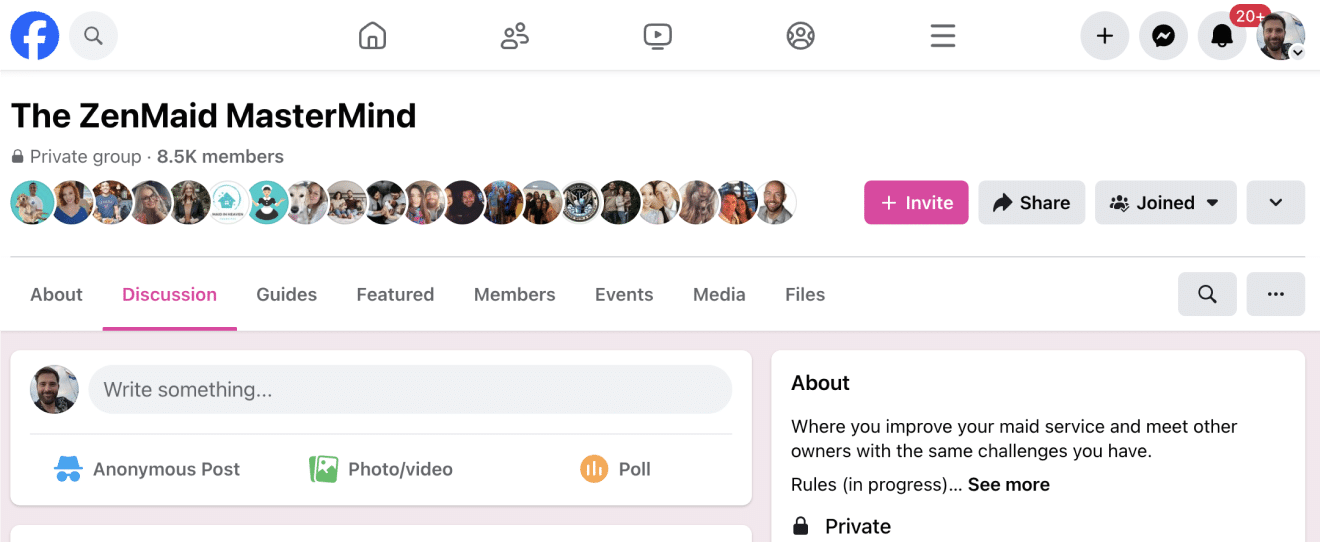
Amar: Definitely. It really, really helps. And one thing I will say is, so first of all, if you don’t have that, you know, check out the mastermind on Facebook, the ZenMaid Mastermind and join that group, make some friends there or whatever. But one thing I think that has helped me is I definitely try to get the folks that are giving me these perspectives to challenge me where it’s times where I’m looking to get my views confirmed, but oftentimes it’s coming to them and being, hey, I have an idea to launch an annual plan for ZenMaid, for example. Tell me why this is a bad idea, right? What are the dangers that this exposes? And I think it’s called steel manning, where it’s taking the strongest possible argument of the opposition and then using that to essentially strengthen what you’re trying to do or to be talked out of it. You know, yeah, we had a similar plan offering that I thought we were going to move forward with and the team argued against it. And it was, yeah, okay, cool. Good decision here, you know?
Steel Manning Your Decisions
Stephanie: That’s a really good way. Obviously, yeah, steel man versus straw man. That’s a really good way to look at everything of, okay, I’m considering this. It’s, why wouldn’t I do this? And even, again, coming back to those recent solo episodes I did of, okay, even running teams or running solo cleaners, right? That’s something that we all have to make a decision. How are we going to go about this or how we pay or how we charge? And it’s, for me, it’s been very useful to even just verbalize those episodes of, okay, Serene Clean charges hourly. There are absolute disadvantages to that. But spelling it all out and laying it on the table, I’m still choosing to do it because I still believe it’s the right way for us. And so it gives you a lot of clarity and confidence of, I have thought this through and I’m still making this decision.
Amar: Exactly. Exactly. Yeah. Yeah, I think in lots of life, we’re trained to make the strongest argument towards the thing that we want. And that’s how you kind of get what you want. But when it comes to running a business and running a successful business, it’s more important that we make good decisions and that we’re honest with ourselves than it is that we’re necessarily always right with what we feel is the right thing or the strongest or whatever. And so, yeah, I really appreciate that within ZenMaid, that I shared some of our calls with a couple of friends, and they were all, I’m really surprised by how much your team is open to stuff, but then also pushes back, right? They weren’t expecting me to say, I think we should do this. And then to have maybe some of the junior developers or whatever being, no, that’s not a good idea. I had friends that were, wait, what? They can’t say that to you.
Building a Culture of Open Feedback
Stephanie: Yeah, but right there, that to me is the sign of a really, really great workplace culture is that people are not afraid to literally say to the highest person in the company, I think you’re wrong and this is why. And that is not disrespectful. That is exactly what you want. Otherwise you have a terrible environment where it’s just an echo chamber and we’re all just stroking each other’s egos instead of actually fixing the problem. So it’s, you know, in cleaning businesses of, welcome feedback from your cleaning techs. It doesn’t mean that you’re always going to implement their ideas and they could be really bad and terrible ideas, but it doesn’t mean we don’t want to hear them because that is how, one from a cultural perspective, the respect, right? That means that everybody feels respected. And really it’s more about, honestly, emotional safety. I feel safe that I’m not going to get smited down or have repercussions for sharing my honest thoughts. That’s a great place to be.
Amar: Yeah, yeah, exactly. And I think it’s just about how you communicate it. Cause I definitely, I have some friends that shy away from feedback because they think if they get feedback, then they have to act on it. And it’s, you only have to act on it as much as you need to acknowledge or maybe express gratitude for the feedback, right? But it’s, you know, ZenMaid, we’ve got the ZenMaid Feedback Forum, which is zenmaid.com/feedback. And if you go there, you’ll see a bunch of suggestions and lots of the things we’ve done over the years if you look at completed. And there’s quite a few things that have been there for a couple of years that we just haven’t gotten around to. But on most of them, you’ll see that we’ve put in a thing of, we’re planning on doing this, we can’t do it yet because of XYZ. And we just try to be transparent that way where it’s, we appreciate all the feedback. Even if some of the feedback, you know, it seems like we’re not listening. It’s not that we’re not listening. It’s just that, you know, we hear you, but we can’t prioritize whatever it is just yet. And so I think that, yeah, I think that if everyone had that mindset, they’d have a much easier time finding those opportunities to work on the business versus in the business, to loop back to what we were talking about initially.
The Value of Design Calls
Stephanie: Well, that’s honestly, that’s my favorite. I mean, obviously, I love the podcasting. And then this is so fun. And I can’t believe we’re literally about to hit 100 episodes. That’s crazy. But one of my favorite parts of my week is the weekly design call where I’m meeting with all of the developers and just providing, I mean, I am not a filtered person. We all know that. And it’s so refreshing to be able to just blurt out whatever is in my mind. But you guys also, everybody’s pushing back on each other, but it doesn’t even feel, I don’t want to say push back that has a negative connotation, but saying, no, this is what I think, and this is why. And it’s for me, it’s actually been, it’s added a lot of, it has made me grow a lot as a leader because I have never been one that is good with feedback. That is not something. And so for me to say something that I think and then for it to get shot down by people I respect, it’s actually, it’s been really good for me because it’s, this is okay. It’s been a great thing. But also for me to feel open and say, no, I think that’s, this is how you need to, and I’m very opinionated on a lot of things, but I appreciate the ability to do that.
Amar: Yeah, for sure. Yeah, I’ve got a couple other calls during the week that are more important than the design call. But the design call is probably my favorite call of the week because it feels like I’m just looking into the future of ZenMaid. Where it’s what I see there is I’m, oh, cool, this will be live in a couple months or whatever. And so that makes it a lot of fun to see. So, yeah.
Exciting Updates Coming to ZenMaid
Stephanie: Well, what’s your favorite thing that’s on the horizon in the next quarter, would you say?
Amar: Ooh, on the horizon in the next quarter. So I don’t know if it’s going to be released in the next quarter, but we are finally working on a client portal. So what we were working on in Barcelona, I don’t think that’ll be live in Q1, but Jim and I are going to be working on actually designing that. So honestly, that’s where my mind kind of already is. Yeah, we’ve got some other stuff coming out in Q1, but I think that that’s probably going to be the big sort of project.
Stephanie: I’m so excited because I wasn’t even, to me, when I heard this, I was, oh, what’s the big deal? And then we worked on that in Barcelona and I’m, oh my God, I can’t wait for a customer portal. That is so exciting. So yeah, I think that is definitely the most exciting thing that’s coming down the line.
Amar: For sure. Actually, so another one just quickly to tease a bit is we have a new version of the mobile apps coming out that is at least one, there’s quite a few updates to it, but one important update for it is for all of the cleaners. We’re changing around sort of the organization of the information and all that, where the current apps were, they’re designed for both cleaners and owners, where they’re kind of designed more for cleaners. But then if you open up an appointment, we kind of organized all of the appointment information the way that an owner or an office manager might want to see it. And now we’re setting it up so that the apps are going to be a lot more contextual, where it’s if you open it up at 7:55 a.m., it’ll show you your 8 a.m. appointment because logically that’s what you’re looking for. And so, yeah, I’m really looking forward to that where I think that a lot of the people listening, I think that your cleaners are going to be very happy where we’re trying to get them to almost consumer level apps that your cleaners just want to log into and look at. And so that’s coming here soon that I think will be really felt by everyone.
Stephanie: Oh yeah, the app improvements are going to be so sick. I’m really excited for that because it’s going to make our cleaners’ day easier. One, and then all of the owner operators, when you’re having to jump into the field, make just everybody’s life is about to be a lot easier with this new app. So I’m very excited.
Amar: Yeah, exactly. And I think that is what we were talking about before about bringing system and process and SOPs into the business, where the more that the ZenMaid mobile app brings consistency to your cleaning process, the easier it’ll be for you to deliver a consistent cleaning experience. And if you do that, it’s easier to bring on more clients and to build on a bunch of the systems that you share about and everything. And so, yeah, we’re really excited for 2026 and what’s to come.
Closing Thoughts
Stephanie: Yeah, a lot of exciting things. And yeah, it’s been really cool to be a little sliver of that. But we will wrap it up, Amar. I want to be cognizant of it is Black Friday. I’m sure you have so much shopping to do, right?
Amar: So much shopping. As I mentioned, I’m going to eat an entire pie later today. So that’s what I have on my agenda.
Stephanie: Okay, that sounds lovely. Yeah, no, we didn’t celebrate Thanksgiving here in the UK. But yeah, I certainly miss some of the pecan pie and some of that stuff I used to have on Thanksgiving in the US.
Stephanie: Yeah, well, I’ll mail you one. I’ll mail you one. Yeah, for sure. Maybe DHL will lose it. Yeah, yeah. Awesome. Well, everybody, give this a like, hit that subscribe, leave some love in the comments for Amar. As always, join the ZenMaid Mastermind. You don’t have to be a ZenMaid customer to be a member of the Mastermind on Facebook. Everybody is welcome and we share lots of advice and tips and a great sense of community there. So we would love to see you there. And I will also see you on the next episode of Filthy Rich Cleaners. Bye guys.
Note: This transcript has been edited for clarity and readability.
Resources Mentioned in This Episode
QUICK TIP FROM THE AUTHOR
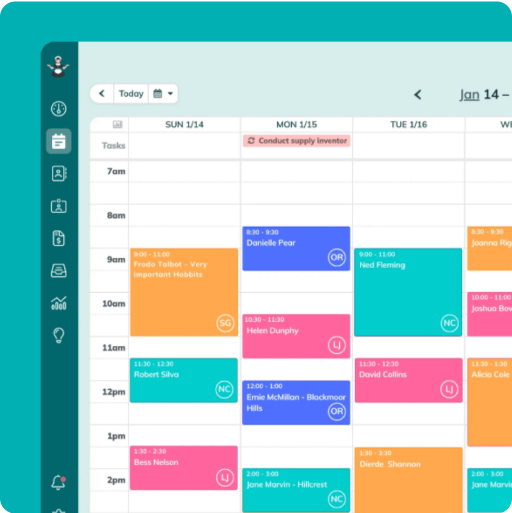
Simplify and enjoy your scheduling with a scheduling software made for maid services
- Have a beautiful calendar that's full but never stressful.
- Make your cleaners happy and provide all the information they need at their fingertips.
- Convert more website visitors into leads and get new cleanings in your inbox with high-converting booking forms.
- Become part of a community of 8000+ cheering maid service owners just like you.
Start your FREE ZenMaid trial today and discover the freedom and clarity that ZenMaid can bring to your maid service! Start your FREE trial today