Frustrated with your scheduling? Try the easiest-to-use calendar app, made by and for maid service owners.


Brought to you by expert maid service owners
Listen on: Apple Podcasts, Spotify or YouTube
Introduction
Stephanie: Everyone, welcome or welcome back to the Filthy Rich Cleaners podcast. I am your host, Stephanie from Serene Clean. And today’s fantastic guest is joining us from Philadelphia, where he has ran his cleaning company for two years. He is co-owner, and he is here to tell us all about his story. Sidi, thank you so for joining me.
Sidi: Yeah, no, thank you for having me. Yeah, your team reached out and I was excited. So yeah, thank you for having me.
Stephanie: Absolutely. Well, we’d love to hear what you did prior to owning a cleaning company. Well, how old are you? If you don’t mind me asking.
Sidi: I’m 25 years old.
Stephanie: Oh, so just a baby, as I say, at 29. So everybody’s a baby. So that’s amazing, very motivated man. Very, very impressive. So tell me, what did you do before you opened the business?
Table of contents
- Introduction
- From Fitness to Cleaning Business
- Finding the Market Need
- Creating Systems for Success
- Building Trust with Clients
- Pricing Strategy and Market Positioning
- Overcoming Early Challenges
- The Importance of Training
- Transitioning to Employees
- Revenue and Growth
- Biggest Business Challenges
- Handling Difficult Reviews
- Content Creation and Coaching
- Pricing Strategy
- Marketing Strategies
- Team Management
- Business Partnership Dynamics
- Building Confidence in Pricing
- Viral TikTok Success
- Future Goals and Vision
From Fitness to Cleaning Business
Sidi: So I was in the fitness industry for pretty long time. So I started off as a personal trainer about six years ago and just moved my way up. So once I stopped being a personal trainer, I just fell in love with sales, just talking to people, connecting with people, helping them with their goals. So company in the city. But once I kind of just realized just working a job and just staying constraint with a strict schedule, I needed to break out of my shackles and kind of figure it out on my own, which is why I kind of just went into starting a cleaning company.
Stephanie: Okay, what kind of sales were you in specifically before the cleaning business? I’m curious because you said you fell in love with it. So what were you selling?
Sidi: Fitness sales. So personal training.
Stephanie: Yeah, understood, understood. Yeah, so transitioning into the cleaning business, is there something in particular that drew you to our industry, I should say?
Finding the Market Need
Sidi: So the biggest thing was I have a few Airbnbs. So this is how me and my business partner, we were just thinking out loud. We were just always having conversations and we’re like, you know, we have to start a company or start a business that’s going to, yes, help us make money, but also help us help other people. And we both have Airbnbs and we were just like, do you have good cleaners? I’m like, they’re okay, they’re not really consistent. And we just kind of asked each other the same question and we’re like, maybe we just start a cleaning company and find our own cleaners and obviously test it out, see how it goes. And we wanted to kind of niche down to Airbnb, but we ended up just focusing on one area, which is residential.
Stephanie: Okay, I gotcha. So that’s pretty incredible that you both were owners of vacation rentals. And what you’re highlighting and what I want to just remind our audience of, like the fact that if you sense a need in your own life and you’re seeing a gap, that’s a perfect place to come in and fill that gap if you feel so inclined to open a business. So love that you guys saw that in the market because you are so right, is that vacation rental owners are always looking for more cleaners because when it comes to our competition, meaning other cleaning businesses or individuals, that consistency and reliability just is not there. What kind of things were you seeing as an owner that you were like, this is not working outside of just reliability?
Creating Systems for Success
Sidi: Yeah, I think the main thing was I feel like a lot of cleaners are doing their own thing, right? They are just trying to, I mean, just make money, and I can completely understand. So the cleaners that I have now, they have a system that they can work through specifically for my Airbnb. So the cleaners that I have for my Airbnbs are completely separate for the cleaning company because I don’t want to mix the two. But for the Airbnb, they have a simple system. I kind of help them lay out everything. So here’s where all the laundry is, here’s where all the equipment and everything that you’ll need to come in, just clean it, and it shouldn’t take you any longer than an hour to do everything, right? And I think before, I’ll definitely put this on myself too, is when I first started, obviously I’m brand new to owning an Airbnb. So I just needed to create systems and then also create systems for the cleaners. And I think that helped a little bit more. But also finding the right cleaners is kind of hard. But also communication, you have to make sure that the cleaners are actually, or I would say, just you, you have to make sure that they understand what you want done, because if you’re not communicating the right way, then they’re not going to get it done the right way.
Stephanie: I see, I see. I’m curious, in Philadelphia, when it comes to even your vacation rental that you own, are these apartments? Are they townhouses? What kind of places? Because I mean, getting through in an hour, that’s fast, especially when we’re talking about laundry and things like that. That would be unheard of for us where, you know, rural Wisconsin, we have lake houses and cabin, big cabins and things. Yeah, so what are you guys, what does that look like in your market?
Sidi: For me, my Airbnbs are just small units. So they’re pretty small. I have one that’s maybe 400 square feet and the other one is 300 square feet. So super easy. And it’s really for a lot of people that are traveling into the area. So the area that it’s in is for a lot of doctors, nurses, professors, parents that are visiting their kids in that area. So it’s a perfect place for people to just stay for a few nights.
Stephanie: So that’s awesome. I’m curious how you do handle the laundry because everybody kind of has different philosophies of laundry. Like do you, one for yourself and your units, but then your customers’ units that you have, how do you require them to have laundry handled?
Sidi: Yeah, so it depends on the package. So we have different packages, obviously for different services, right? So the basic package, there’s no laundry included. However, we do an Airbnb package which includes all of those things. So that’s what the main thing is, is just trying to sell those bigger packages because obviously it’s more income for us. But also you have to realize too, is that Airbnb owners, they have these places where, you know, they just want to make sure it looks clean. But the other thing that I would say for laundry is, we have, you know, obviously all the items, all the bedding sheets, all those things. But some homeowners, they have a lot of their stuff too. So if they have specific things that they want, we do charge, we do charge more for it. So if they have their own bedding and things that they want us to do, or if it’s just a lot, just depending on the size, then we do charge more if it’s more laundry. But for the most part, we try to keep it simple, but again, every Airbnb is different, so you never know.
Building Trust with Clients
Stephanie: Yeah, and laundry is a thing that a lot of cleaners as they grow, they kind of need to decide whether or not like, is laundry going to be built into our standard Airbnb pricing? Or are we going to tack it on as an additional? And either way is great. I think one of the reasons why, for us at least, we include it, is because I just know it’s going to be the right size at that location, right? So I don’t have to do this, like, oh, here’s what the laundry looks like, and then give them a quote, and then they’re like, do I want to do it? Do I not want to do it? And laundry, honestly, is like what takes the bulk of the time. Even though it’s not the majority of the actual cleaning time, it’s the hours that your staff has to stay on location because there are only so many sets you can get through the machines at a time. And so if they do it themselves, usually it’s going to be on the weekdays, and usually our biggest occupancy for vacation rentals is the weekend, right? And so we just make it so it’s like, they don’t have to lift a finger. So Airbnb is in a great market. When you were deciding to start the business, were you planning on hiring out immediately, or were you going to be cleaning yourself in the beginning? What was the plan?
Sidi: Yeah, so both me and my business partner, we kind of decided that neither one of us is going to clean. We are just going to start hiring cleaners off the bat, right? So once we really got ourselves together and ready to launch, we just started finding cleaners. And I think that the thing that worked for us, we hired two cleaners off the bat. And what we what we did, they were both independent contractors at the time, and this was just so we could test them out and we could see the quality that they put out, and if they were a good fit for us. And so once we realized that they were good, we ended up just turning them over to W2s. Now we have six W2 employees and it’s been great. But again, people say being an employee is very expensive. However, when you do the numbers, it’s really not, if you are able to budget correctly, right? So being an IC, yes, you’re paying more for them, but you have to realize that okay, you’re paying more for them because you don’t have to do insurance, like workers comp or all of those things, right? But for us, I wanted to be able to control the cleaners and how we move, and also just in terms of like pay structure, we wanted to make sure that everything is easy and simple and consistent. So we thought W2 employees was a better route for us.
Stephanie: I’m the exact same way. I, you know, everybody kind of has their pros and cons when it comes to ICs versus employees. For me, a lot of it does boil down to control and what makes me feel good from an ethic standpoint. But what you’re hitting on is something I have beaten the drum on over and over again, of ICs are not cheaper. If you think that ICs are cheaper or better because you don’t have to pay as much, you are just thinking of it wrong. So ICs, if you’re going to do it legally and correctly, are going to get paid more because they are having to cover all of their own expenses. Workers comp, for example, has been, I just checked, what our modified experience rate is, and because we have no claims, it’s going to be decreasing and we’re looking at about 6%, which is like nothing. It’s only been two years since we had a claim. So it’s like nothing, right? And so we are also not worried about them getting hurt and us getting sued for millions of dollars, workers comp covers all of that. Now you don’t have to have workers comp, you know, depending on your state. And so a lot of people, when they start out, they roll the dice of not having it because they want to save money. And everybody online will tell you like, no, do not do that, do not do that. So you will be paying some sort of insurance anyway. And it is also easier to tell them what to do, right? And they are your team, they represent your company, right? And so there’s good reasons to do both. For me, it’s always going to be employees. That’s just where I’m at. So obviously people can do contractors as well, but don’t think of them as being cheaper, though, right? So you are paying more per job that they are doing for you.
Pricing Strategy and Market Positioning
Sidi: Right, exactly. And then also too, you have to realize the ICs, it’s not guaranteed. It’s not guaranteed that they’re going to want to, you know, continue doing those jobs. You have to make sure that it’s worth their time. So if they ever feel like they’re not making enough, then they’re going to leave. So you got to make sure that the numbers make sense. And that’s why for me, I wanted employees so that I can make sure that we are, one, we’re all aligned with the same thing, what our mission is. And then two, you know, making the same money is easy and simple and consistent. And we pay a living wage in Philadelphia and employees also receive a 10% commission for every add on service that they sell. So this gives them a little bit more money because they are actually putting in the work and they’re making sure that they’re doing everything that they can in order to make more money. And we’re incentivizing them. So that’s something that definitely helps.
Stephanie: That’s a great point because a lot of people are wondering like, well, if I’m paying a living wage and I’m not, you know, and I want to keep my costs low because I’m not necessarily doing a revenue split, so my cleaners are doing a flat hourly, things like that. How do I still incentivize them to upsell? Right? And so even with like a 10%, I personally don’t think they even necessarily need more than that because if they are making a living wage, which for us we’re significantly above in our market, that 10% is like, it’s great, and it’s for the extra task they’re already doing anyway. So it’s not even like a separate task, it’s just like, hey, you just brought up that we do this and they’re like, yeah, do it. And then you get $20 for that. You know, like boom, super easy. So I think that’s a great way to incentivize your staff. I have more conversations with my managers of how can we incentivize our staff. So it’s not just like, show up, do the thing, hope you don’t mess it up. We get the paycheck. Like we want to give people opportunities to go above and beyond in ways that may not necessarily look like that. So I love that you are doing that at your company. So when you are talking to people about this, especially as a coach, are you recommending that they run with employees from the jump? Is it different depending on their circumstances? What do you say to that?
Sidi: I think it depends. So obviously if you are newer and you can’t hire any employees because you can’t afford it, or even if you don’t have enough jobs for those employees to go to, then I would say independent contractor is fine in the beginning, but not for a long period of time because, again, the whole point of this business is you want to control it. You want to make sure that you have consistency and people are following your systems and your processes. So if you have, you know, good ICs that, you know, they’re making good money and they’re actually doing the work the right way, that’s fine. But from my experience, I have worked with ICs and I realized that they were just very difficult because they would tell me they were going to do a job and they’d be like, oh, I actually can’t make it, or I have this other job that’s paying me more, so I can’t come to do that job. So it’s just not worth, at least for me. But I’ve learned that for some people, if that works for them, then it works. But for me, I like to have employees for that specific reason.
Stephanie: It is absolutely a different relationship. And sometimes for maybe somebody listening who is really uncomfortable with being kind of the quote unquote boss, but they want to make money and they don’t want to have to do it all themselves, getting contractors might be an easier thing to start with. But just know that you are going to deal with what he just described. So it’s a really nice middle ground. A lot of cleaners will do both. They’ll have a core staff of employees and then they have contractors that can kind of fill in if needed. Now you guys are at six employees. I’m curious, did you guys literally start day one with contractors or with any staff, or were you guys cleaning anything at all in the beginning?
Sidi: So we didn’t clean at all. So we hired, you know, two cleaners that were independent contractors from the get go. And they were doing probably about two jobs a week, sometimes three, but then we realized there wasn’t enough for them to do. So our biggest thing was okay, how can we quickly scale this thing so that they have jobs to do every single day, right? That was our main focus. So we literally did everything that we possibly could, posting on Craigslist, putting out flyers, talking to people, contacting on Instagram, asking if people needed their homes cleaned, just so that we can get cleaners, get these ICs actual jobs. But it took us a little bit before we started getting consistent revenue and jobs for them to do.
Overcoming Early Challenges
Stephanie: And so that brings up something that, you know, some people have very strong opinions about, which is starting a business without knowing how to do it yourself. So it’s interesting to me that you did this because you are a vacation rental owner. So you kind of know what standard you want to see. And let’s just assume here that a lot of people don’t even know. So when somebody is starting a cleaning business and they have no idea what the standard of clean should look like in a home, they have no idea how long things should take, but they’re still hiring out immediately. I would love to hear your side of the struggles that kind of come with that and if you felt like at any point maybe it would have been better for you to clean a house or like clean with them a few times.
Sidi: Yeah, a hundred percent. So I think for me, I wanted to obviously, or us as a company, we wanted to create a video training so that these cleaners can watch our training and then they can come to a test clean, which is an appointment where we test them to see if they know how to properly clean following our system, following our SOP. So the thing was, I didn’t have that at the time. So when we hired those ICs, the beginning, they were doing their own thing. They were doing what they knew how to do. And I took that as, okay, that was good. And then the client actually had a complaint. This is when we got our first couple jobs that were not family and friends. We actually got a complaint for that particular client because they said the cleaning was not up to par. So that’s when I realized okay, if I want to keep those clients, I have to make sure that these cleaners are actually doing a good job. So that’s when I was like okay, at the time we had, I believe it was probably three or four cleaners. I was like okay, I need to go to these jobs and I need to just oversee. I’m not going to clean, but I’m going to oversee the clean. So I’m going to tell you guys step by step. Here’s how I want this to be cleaned. This is what the bathroom should look like. This is how, you know, you should make sure you dust the baseboards. You should check the cabinets and make sure there’s no dust or anything in there. Just little minor things. And then I would go back and I would check on everything and make sure they got everything. And there were still things that they missed. But this is when I realized, okay, this is literally the training, and I just need to record this and I need to just give these people like a very in depth training and make sure they’re actually watching it. So when they come to the test clean, they actually, you know, know what to do. And they could complete, you know, cleaning a home like that. And that really, really helped because then now all of our cleaners watch these trainings and then they come to a test clean and we’re just not hiring anybody. We’re making sure these people actually want to clean and they know what they’re doing. So obviously in the beginning it’s going to be difficult because you don’t know how to clean, but I guarantee you, you can teach yourself. You can teach yourself how to do it and you can give these people training. You can make videos, you can do whatever you got to do. But if you want to really grow this business, you got to put in the work.
The Importance of Training
Stephanie: Yeah, that’s the thing is everybody’s like, well, you’re asking a lot of us. I’m like, you can just watch YouTube. Like you don’t have to go to some fancy boot camp or this or that. I’m not saying that’s bad. I’m just saying like when you’re first getting started, watch some YouTube, watch some cleaning TikToks, learn, like just, and go clean a bathroom. Do it slow, do it right. And if you have no idea, obviously these people that you hired, they knew how to clean the general way, but they didn’t know your standard, right? And so making sure that you are documenting your standard clearly, not just assuming. Because I found, especially in the beginning, I’m like, well, the dryer vent should be cleaned. It just, it’s like, well, I didn’t tell them to clean it. So then it wasn’t in the checklist. So then they didn’t do it. So you need to document all of that and learn what that looks like at your own, if you, whether you’re actually doing the cleaning yourself or like you’re doing what he did and saying, this is what I want to see, this is what it should look like. Let me double check and then you video it and say, this is what it should look like. And you can go as simple as that. So I’m curious with your business partner, do you both have strengths that kind of complement each other, or are you both kind of sitting in the same role right now? Or how does that divide up?
Sidi: Yeah, so definitely different roles. So I focus more on like customer side and making sure that the jobs are getting done correctly and making sure that the clients are satisfied. And then he focuses more on like operations and making sure that all of the systems and processes are in place and just organizing everything for all the jobs. I think when you’re a cleaning business owner, you got to be able to do everything. You have to be able to do customer service, you have to be able to, you know, make the schedule, you have to be able to do your finances and just everything in between. However, I think it works out well when you do have a business partner, you know, if you can split up the responsibilities so that you could solely focus on one thing and you can get really good at it. So it’s made our business a lot easier when we do have those responsibilities in like two different sections.
Stephanie: Yeah, I see that being very invaluable. And for me, I have a team of managers and so I am like strictly sales and marketing, new business, those types of things. One of my managers does scheduling. One of my managers does quality control. One of my managers does HR and operations and all of that. So we all have like our silo and we have to really pay attention to make sure we’re all communicating. But it’s really hard when you’re doing literally every single thing, right? You’re drowning. And so figuring out, okay, well, what are the things I need to get to pass off first? For most of us, it’s going to be the cleaning, right? You want to pass it off. And then once you have your cleaners going, being the person who trains and manages that, then it’s going to be hopefully scheduling and that admin burden, those types of things. But everybody has kind of different things that they don’t want to do. So for me, I was passing off the scheduling really fast because I am horrific. I just am horrific at organizing. I’m like a creative, just all over the map, like my brain, and it did not work. So I handed that off and I was very happy for somebody to come on and take that, and they are so much better at it than I am. So leaning into people’s strengths is really important. I’m curious how long you guys have been using employees and what that transition looked like. Did you just decide to switch everybody over or was it as you took on new cleaners?
Transitioning to Employees
Sidi: Yeah, so for the longest, we were using independent contractors and we thought it was working, but we had a lot of issues. Again, you know, people calling off or just not being professional or trying to, you know, steal clients or just anything. So we got to the point where I was like, I’m done with this. I’m really, I’m really, I’m really over this whole IC thing. So let’s just figure out how to transition to W2s. We knew that it was going to be a little bit more work, you know, getting the workers comp set up and getting, you know, obviously like the whole payroll thing and taxes. But once we started actually going through with it, it actually wasn’t that difficult. So we started with, you know, the two initial cleaners. We told them that, hey, we’re going to be switching you over to W2. This is how we’re going to pay you. This is how it’s going to work. And if you don’t want to do that, then that’s fine. But we let them know ahead of time. So they’re like, okay, yeah, that’s fine. Like, as long as the pay makes sense. And we made sure that obviously we were going to give them a living wage, like I said. And now we have six W2 employees and it’s made everything so much easier. Like payroll, everything is consistent. We don’t have to go back and forth and it just, everything runs smooth now. So I think it was definitely the best route for us.
Stephanie: And I just want to remind people, like when you’re saying you switched them over, that is only legal for you to do if they are being treated as employees to begin with. So I just want to be very clear. You can’t just change somebody over from IC to employee. If you were treating them as employees while calling them ICs, then yes, you can switch them over because they were supposed to be employees anyway. Just want that to be very, very clear. Hopefully the way you were operating was like that. It sounds like it was. But just for those of you listening, you cannot control ICs. When you control them, where they work, when they work, telling them what tools to use, what uniforms to wear, all of that is employee territory. And you can get in major trouble for misclassifying them. So that is a whole separate topic we won’t dive into right now. But there are episodes out there that you can watch on exactly how that works. So I’m glad that it worked out for you. You said you have six currently. What does your monthly revenue look like at this point?
Revenue and Growth
Sidi: So we are fluctuating between 25 to 30,000 a month. So, you know, I’m trying to get it as consistent, you know, making 30,000 a month. But we’ve been at a very steady 25 for the past three or four months. And I think a lot of that just has to do with the season, right? So in the summer, especially for residential cleaning, a lot of people are out on vacation. They’re going to go visit family and friends, they’re traveling and they’re not home. So they’re not necessarily, you know, getting their place cleaned, versus the fall and the winter. That’s when we get a lot more people who want to get their homes cleaned because, you know, they’re home a lot more. They’re having family come over and things like that. So I expect, you know, business to pick up again here soon.
Stephanie: Yeah, no, I totally understand that. And that was something that I noticed with residential cleaning too is like the summer, you’re going to be a little bit slower. And I know a lot of people attribute that to like the kids are out of school so the houses are messier. That might be true. I think it’s more so they’re spending their money on vacations and traveling, you know, and their kids’ activities and stuff like that. So just know guys, like if you’re struggling in the summer, it is normal. And so I always encourage people to have a bit of a savings when you can so that when things slow down naturally in your business, you can handle it. The worst thing to do is just be immediately freaking out because things slow down slightly in the summer and over Christmas, right? Like everybody’s gone. The weeks of Christmas and New Year’s are horrible for us. So that’s when we do stuff. We do parties, we do our year end review, all of that. So working around the schedule and the needs is really important as well. When it comes to this business, like what have been, I would say, the biggest struggles that you have faced? What have been the hard parts about opening the business?
Biggest Business Challenges
Sidi: Yeah, I think the main thing is hiring. I think hiring good people, finding people that align with your mission, that are actually going to show up and do the work is very, very difficult. So I think for us, we’ve been lucky to hire some good people. However, we’ve had so many people that we’ve hired that we thought were going to be great and they were terrible, right? So that’s the difficult thing is weeding out those people. And that’s why the whole test clean is so important because if we can just have everybody come in for a test clean, we can see how they are, what they can do, and we can figure out if they’re a good fit for us. I think that’s one of the main things. And then another thing too is just, you know, the clients. You know, some clients are great. Some clients are difficult and you got to deal with that. And I think for me, I have, you know, I work in sales, so I have experience like, you know, managing difficult clients and just trying to, you know, meet them halfway and just make sure that they’re satisfied. But you’re going to have those clients that are just never happy and it’s just very difficult to keep them. And sometimes you might just have to let them go. So I think those are like the two main things that I would say are like kind of the biggest challenges.
Stephanie: Those are great callouts. The difficult client is something that we talk a lot about on here. And a lot of times we frame it as a you have to fire them. So did you have to fire anybody yet or how have you handled that?
Sidi: Yeah, definitely fired clients. So, you know, we’ve had clients that, you know, would just like hound us. Like for example, we had one client where we cleaned her place and she loved the cleaning, right? And then we came back to clean the second time and it was a disaster. And I mean, there was like, you know, toys everywhere, dishes everywhere. Like it was just like a lot. And she wanted us to clean it in the same amount of time that we had cleaned it the first time. And we’re like, well, there’s no way we can clean this in that amount of time. This is going to take us a lot longer because it’s just a complete disaster. And she was just going back and forth with us. She was just hounding us, like, no, you guys should be able to clean this. Like, you know, and she was just getting really upset and we’re trying to be as patient as possible. But at a certain point, you just realize like, this client is not a good fit. They’re not going to be happy no matter what you do. So I had to tell her, you know, I’m really sorry that this didn’t work out, but, you know, I don’t think we’re a good fit for you and we’re going to have to let you go. And she didn’t take it well at all. But at the end of the day, you know, we just, we couldn’t keep, you know, working with her because she was just not happy and it was just causing a lot of issues.
Stephanie: Yeah, and I’m sure she left a nasty review, right? Is that what happened?
Sidi: She did. She did. Yeah.
Handling Difficult Reviews
Stephanie: So let’s talk about that. How did you handle that review? What did you say? Did you respond? Tell me.
Sidi: Yeah, so I responded very professionally. I just, you know, I pretty much said, you know, I’m sorry that, you know, we weren’t able to meet your expectations and, you know, we wish you the best of luck finding a cleaning company that works for you. And I just left it at that. I didn’t go back and forth with her. I didn’t, you know, try to defend myself. I just kept it very simple and professional. And I think that’s the best way to handle those types of situations because you don’t want to, you know, make it worse by going back and forth with them.
Stephanie: Yeah, I love that. That’s exactly what we recommend. It’s just like, you know, apologize, wish them well, move on. Don’t engage in like a back and forth because it just makes you look bad. And most people, when they’re reading reviews, they can kind of tell when somebody is being unreasonable. So I think you handled that really well. Now, I’m curious, you mentioned that you guys are at 25 to 30,000 a month. What are your plans for growth? Like, where do you see the business going in the next year or two?
Sidi: Yeah, so I want to get to six figures a month. That’s like my ultimate goal. So I think for us, it’s just going to be, you know, continuing to hire more cleaners, continuing to get more clients. And then also, you know, I think for me, I want to expand into other cities. So, you know, right now we’re just in Philadelphia, but I want to expand into other cities in Pennsylvania and then eventually, you know, go into other states. So I think that’s going to be the main focus is just, you know, continuing to scale and expand. And then also too, I’m working on, you know, creating more content and helping more people start their cleaning businesses. So that’s something that I’m really passionate about and I want to continue doing that as well.
Stephanie: That’s awesome. I love that you have that goal of six figures a month. That’s, you know, that’s a big goal, but it’s definitely achievable. And I think, you know, the fact that you’re already at 25 to 30,000 a month after two years is really impressive. So I think you’re on the right track. Now, you mentioned creating content and helping other people start cleaning businesses. Tell me a little bit more about that. Like, what kind of content are you creating? Where are you posting it?
Content Creation and Coaching
Sidi: Yeah, so I post a lot on TikTok and Instagram. So I post, you know, tips and tricks on how to start a cleaning business, how to grow your cleaning business, how to hire, how to fire, how to deal with difficult clients, just all of those things. And then I also do Q&A sessions in my Skool community. So I have a Skool community called the Cleaning Entrepreneur Academy where I host Q&A sessions every week and people can come in and ask me questions about, you know, starting their cleaning business or growing their cleaning business. And I just give them advice and tips and tricks on how to do that. So that’s something that I’m really passionate about and I want to continue doing that because I genuinely love helping people.
Stephanie: That’s awesome. I love that. And I think, you know, the fact that you’re creating content and helping other people is really important because there’s a lot of people out there who want to start cleaning businesses and they don’t know where to start. So I think it’s great that you’re providing that resource for them. Now, I’m curious, you mentioned that you post on TikTok and Instagram. Do you post on any other platforms?
Sidi: Yeah, so I also post on YouTube. I have a YouTube channel where I post longer form content. So, you know, I’ll do like, you know, 10, 15, 20 minute videos where I dive deep into specific topics. And then I also post on LinkedIn as well. So I’m trying to, you know, expand my reach and get my content out to as many people as possible.
Stephanie: That’s awesome. I love that. And I think, you know, the fact that you’re creating content on multiple platforms is really important because you never know where your ideal client or your ideal student is going to be. So I think it’s great that you’re diversifying your content across multiple platforms. Now, I want to talk a little bit about pricing because I think that’s something that a lot of people struggle with when they’re starting a cleaning business. So I’m curious, how did you figure out your pricing? Like, did you look at what other people were charging? Did you just kind of pull a number out of thin air? How did you figure that out?
Pricing Strategy
Sidi: Yeah, so for me, I did a lot of research. So I looked at what other cleaning companies were charging in Philadelphia. I looked at, you know, what the average hourly rate was for cleaners in the area. And then I also looked at, you know, what people were willing to pay. So I did a lot of market research to figure out, you know, what the sweet spot was. And I think for us, we’re on the higher end of pricing in Philadelphia. But I think that’s because we provide a really good service and we have really good cleaners. So I think people are willing to pay a little bit more for that. But I would say, you know, if you’re just starting out, don’t be afraid to charge what you’re worth. Don’t undersell yourself. Don’t try to be the cheapest option out there because you’re just going to attract the wrong clients. You want to attract clients who are willing to pay for quality. So I think that’s really important.
Stephanie: Yeah, I love that. And I think, you know, the fact that you did market research is really important because you need to know what the market is willing to pay. But at the same time, you don’t want to just copy what everybody else is doing because then you’re just going to be competing on price. And that’s a race to the bottom. So I think it’s great that you positioned yourself on the higher end of pricing because you’re providing a better service. And I think that’s really important. Now, I’m curious, have you ever had anybody push back on your pricing? And if so, how did you handle that?
Sidi: Yeah, definitely. So I’ve had people, you know, they’ll get the quote and they’ll be like, oh, that’s way too expensive. I can get, you know, somebody to clean my house for half that price. And I’m like, okay, well, you know, if you can find somebody to clean your house for half that price, then by all means, go ahead. But you’re not going to get the same quality of service that you’re going to get from us. So I think for me, I just, you know, I stand firm on my pricing. I don’t negotiate. I don’t, you know, try to give discounts or anything like that because I know what we’re worth. And I think that’s really important is just knowing your worth and not being afraid to charge what you’re worth.
Stephanie: Yeah, I love that. And I think, you know, the fact that you stand firm on your pricing is really important because if you start negotiating and giving discounts, then you’re just going to attract the wrong clients. You’re going to attract clients who are always looking for a deal and they’re never going to be satisfied with the service that you’re providing. So I think it’s really important to stand firm on your pricing and not be afraid to walk away from a client who’s not willing to pay what you’re worth. Now, I want to talk a little bit about marketing because I think that’s something that a lot of people struggle with when they’re starting a cleaning business. So I’m curious, how do you market your business? Like, what are the main channels that you use to get new clients?
Marketing Strategies
Sidi: Yeah, so for me, I use a lot of different channels. So I use Google, I use social media, I use word of mouth. I think word of mouth is probably the biggest one for us because, you know, when you provide a really good service, people are going to tell their friends and family about you. And then those people are going to become clients. So I think that’s probably the biggest one. But I also use Google. So we have a Google My Business profile and we make sure that we have really good reviews on there. And then we also use social media. So we post on Instagram and TikTok and we try to, you know, get our name out there and just, you know, build our brand. So I think those are the main channels that we use. But I would say word of mouth is probably the biggest one.
Stephanie: Yeah, I love that. And I think, you know, the fact that you’re focusing on providing a really good service is really important because that’s what’s going to get you referrals. And referrals are the best kind of marketing because they’re free and they’re already pre-sold on your service. So I think that’s really important. Now, I want to talk a little bit about your Google My Business profile because I think that’s something that a lot of people overlook when they’re starting a cleaning business. So I’m curious, how do you manage your Google My Business profile? Like, do you respond to reviews? Do you post updates? What do you do to keep it active?
Sidi: Yeah, so I definitely respond to reviews. I think that’s really important because it shows that you care about your clients and you care about their feedback. So I respond to every single review, whether it’s a good review or a bad review. And I try to keep it professional and just, you know, thank them for their feedback. And then I also post updates on there. So, you know, if we have any new services or if we’re running any promotions, I’ll post about that on our Google My Business profile. So I think it’s really important to keep it active and keep it updated because that’s one of the first things that people see when they search for your business.
Stephanie: Yeah, I love that. And I think, you know, the fact that you respond to every review is really important because it shows that you care about your clients and you care about their feedback. And I think that’s something that a lot of people overlook. They just, you know, they get a bad review and they don’t respond to it or they get a good review and they don’t respond to it. And I think it’s really important to respond to every review because it shows that you’re engaged with your clients and you care about their experience. Now, I want to talk a little bit about your team because I think that’s something that a lot of people struggle with when they’re growing a cleaning business. So I’m curious, how do you manage your team? Like, do you have regular meetings? Do you have a group chat? How do you keep everybody on the same page?
Team Management
Sidi: Yeah, so we have a group chat with all of our cleaners. So we use that to communicate on a daily basis. So, you know, if there’s any issues or if there’s any changes to the schedule, we’ll communicate that through the group chat. And then we also have weekly meetings. So we’ll meet with all of our cleaners once a week and we’ll just kind of go over, you know, what went well, what didn’t go well, what we can improve on. And then we’ll also just kind of, you know, build that relationship with them and make sure that they feel valued and appreciated. So I think that’s really important is just, you know, having that open line of communication with your team and making sure that they feel valued and appreciated.
Stephanie: Yeah, I love that. And I think, you know, the fact that you have weekly meetings is really important because it gives your team an opportunity to voice any concerns or any issues that they’re having. And it also gives you an opportunity to provide feedback and coaching to them. So I think that’s really important. Now, I’m curious, have you ever had to let anybody go? And if so, how did you handle that?
Sidi: Yeah, so I’ve had to let a few people go. And I think the main thing is just, you know, being upfront and honest with them. So, you know, if somebody’s not performing well or if they’re not a good fit for the team, I’ll have a conversation with them and I’ll let them know, you know, this is not working out and we’re going to have to let you go. And I think it’s really important to be professional about it and not, you know, make it personal. It’s just, you know, this is a business decision and this is what’s best for the company. So I think that’s really important.
Stephanie: Yeah, I love that. And I think, you know, the fact that you’re upfront and honest with them is really important because it gives them closure and it allows them to move on. And I think that’s something that a lot of people struggle with is they, you know, they let people go and they don’t give them a reason or they don’t communicate with them. And I think it’s really important to be upfront and honest with them and let them know why they’re being let go. Now, I want to talk a little bit about your business partner because I think that’s something that a lot of people consider when they’re starting a cleaning business. So I’m curious, what are some of the pros and cons of having a business partner?
Business Partnership Dynamics
Sidi: Yeah, so I think the pros are, you know, you have somebody to share the workload with. You have somebody to bounce ideas off of. You have somebody who’s going through the same thing that you’re going through. So I think that’s really valuable. But I think the cons are, you know, you have to make sure that you’re aligned on the same vision and the same goals. And you have to make sure that you’re communicating effectively with each other. So I think that’s really important. But for me, I think having a business partner has been really valuable because, you know, we’re able to split up the responsibilities and we’re able to focus on different areas of the business. So I think it’s been really beneficial for us.
Stephanie: Yeah, I love that. And I think, you know, the fact that you have somebody to share the workload with is really important because running a business can be really overwhelming. And having somebody to share that burden with can make it a lot easier. Now, I’m curious, have you and your business partner ever had any disagreements? And if so, how did you handle that?
Sidi: Yeah, definitely. So I think, you know, we’ve had disagreements about, you know, how we should price things or how we should handle certain situations. But I think the main thing is just, you know, being open and honest with each other and communicating effectively. So, you know, if we have a disagreement, we’ll sit down and we’ll talk about it and we’ll figure out, you know, what’s the best solution for the business. And I think that’s really important is just, you know, being able to communicate effectively with each other and being able to compromise.
Stephanie: Yeah, I love that. And I think, you know, the fact that you’re able to sit down and talk about your disagreements is really important because it prevents resentment from building up. And I think that’s something that a lot of business partners struggle with is they, you know, they have a disagreement and they don’t talk about it and then it just festers and it causes problems down the road. So I think it’s really important to be open and honest with each other and communicate effectively. Now, I want to talk a little bit about confidence because I think that’s something that a lot of people struggle with when they’re starting a cleaning business, especially when it comes to pricing. So I’m curious, how do you build confidence in your pricing and in your service?
Building Confidence in Pricing
Sidi: Yeah, I think the main thing is just, you know, knowing your worth and knowing the value that you’re providing. So, you know, if you know that you’re providing a really good service and you know that your cleaners are doing a really good job, then you should be confident in your pricing. And I think the other thing too is just, you know, practicing. So, you know, when you’re quoting somebody, you need to be confident when you say the price. You can’t, you know, stumble over your words or, you know, sound unsure because then the client is going to pick up on that and they’re going to try to negotiate with you. So I think it’s really important to just, you know, practice saying your prices out loud and being confident when you say them.
Stephanie: Yeah, I love that. And I think, you know, the fact that you practice saying your prices out loud is really important because it helps you build that confidence. And I think that’s something that a lot of people overlook. They just, you know, they come up with a price and then they just kind of wing it when they’re talking to a client. And I think it’s really important to practice saying your prices out loud so that you’re confident when you say them. Now, I’m curious, have you ever had a situation where you quoted somebody and they immediately said yes without any pushback? And did that make you feel like you should have charged more?
Sidi: Yeah, definitely. So I’ve had situations where I’ve quoted somebody and they’ve immediately said yes. And then I’m like, oh, I should have charged more. But I think the main thing is just, you know, you can’t go back and change it. So I just take that as a learning experience and I’ll adjust my pricing for the next client. But I think that’s a good sign, right? If somebody’s immediately saying yes without any pushback, that means that you’re providing value and that they see the value in what you’re offering. So I think that’s a good thing.
Stephanie: Yeah, I love that. And I think, you know, the fact that you take it as a learning experience is really important because it helps you adjust your pricing for the next client. And I think that’s something that a lot of people struggle with is they, you know, they quote somebody and they immediately say yes and then they just kind of beat themselves up about it. And I think it’s really important to just take it as a learning experience and move on. Now, you mentioned earlier that you had a video go viral on TikTok. Can you tell me a little bit more about that? Like, what was the video about and how did it feel to have a video go viral?
Viral TikTok Success
Sidi: Yeah, so the video was basically just me talking about, you know, how I started my cleaning business and how much money I was making. And I think people were just really interested in that because, you know, they wanted to know, you know, how much can I actually make if I start a cleaning business? And I think that’s a question that a lot of people have. So the video went viral and it got over a million views. And it was crazy because, you know, I was getting so many comments and so many messages from people asking me questions about how to start a cleaning business. And that’s when I realized, okay, there’s a huge demand for this information. And that’s when I decided to start my Skool community and start coaching people on how to start their cleaning businesses.
Stephanie: That’s awesome. I love that. And I think, you know, the fact that you recognized that there was a demand for that information and you created a community around it is really smart. And I think that’s something that a lot of people overlook. They just, you know, they create content and they don’t really think about how they can monetize it or how they can help people. So I think it’s great that you created a community around it and you’re helping people start their cleaning businesses. Now, I’m curious, what kind of questions do people ask you in your Skool community?
Sidi: Yeah, so people ask me all kinds of questions. So they ask me, you know, how do I get my first client? How do I price my services? How do I hire cleaners? How do I fire cleaners? How do I deal with difficult clients? Just all kinds of questions. And I think the main thing is just, you know, people are just looking for guidance and they’re looking for somebody who’s been through it and who can help them navigate through the process. So I think that’s really valuable.
Stephanie: Yeah, I love that. And I think, you know, the fact that you’re providing that guidance is really important because there’s a lot of people out there who want to start cleaning businesses and they don’t know where to start. So I think it’s great that you’re providing that resource for them. Now, I want to talk a little bit about your goals for the future. So you mentioned that you want to get to six figures a month. What else do you want to achieve with your business?
Future Goals and Vision
Sidi: Yeah, so I think for me, I want to continue to scale and expand. So, you know, I want to expand into other cities and other states. And I also want to continue to help people start their cleaning businesses. So I think those are my two main goals is just, you know, continuing to scale my own business and then also helping other people start their businesses. And I think that’s something that I’m really passionate about and I want to continue doing that for a long time.
Stephanie: That’s awesome. I love that. And I think, you know, the fact that you have a clear vision for where you want to go is really important because it helps you stay focused and it helps you make decisions that are aligned with your goals. So I think that’s really important. Now, before we wrap up, I want to ask you one more question. If you could give one piece of advice to somebody who’s thinking about starting a cleaning business, what would it be?
Sidi: I would say just do it. Just start. Don’t overthink it. Don’t wait for the perfect time. Just start and figure it out as you go. Because I think a lot of people, they get stuck in the planning phase and they never actually take action. So I would just say, you know, just start and figure it out as you go. And you’re going to make mistakes, but that’s okay. That’s how you learn. So I would just say just start.
Stephanie: I love that. And I think, you know, that’s such great advice because I think a lot of people do get stuck in the planning phase and they never actually take action. So I think it’s really important to just start and figure it out as you go. Well, Sidi, thank you so much for joining me today. This has been such a great conversation. I really appreciate you taking the time to share your story and your insights with our audience. Before we go, can you tell everybody where they can find you and how they can connect with you?
Sidi: Yeah, so you can find me on TikTok and Instagram. My handle is @sidi.cleaning. And then I also have a Skool community called the Cleaning Entrepreneur Academy. So if you’re interested in starting a cleaning business or if you’re a cleaning business owner and you want to connect with other people, you can join that community. And then I also have a YouTube channel where I post longer form content. So you can find me there as well.
Stephanie: Awesome. Well, thank you so much, Sidi. This has been great. And to everybody listening, make sure you go follow Sidi on TikTok and Instagram and check out his Skool community. And if you enjoyed this episode, please make sure to leave us a review and subscribe to the podcast. And we will see you on the next episode of Filthy Rich Cleaners. Bye bye.
Note: This transcript has been edited for clarity and readability.
Resources Mentioned in This Episode
QUICK TIP FROM THE AUTHOR
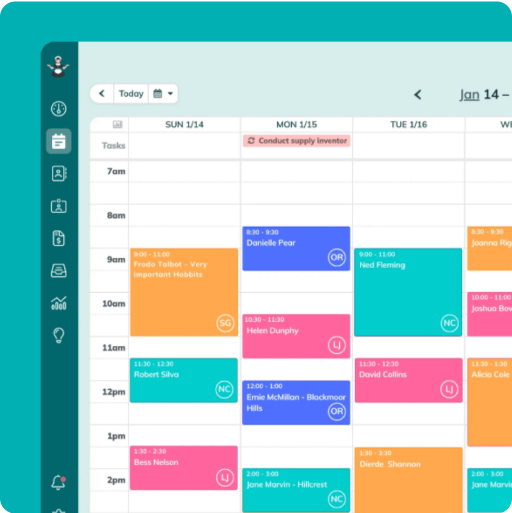
Simplify and enjoy your scheduling with a scheduling software made for maid services
- Have a beautiful calendar that's full but never stressful.
- Make your cleaners happy and provide all the information they need at their fingertips.
- Convert more website visitors into leads and get new cleanings in your inbox with high-converting booking forms.
- Become part of a community of 8000+ cheering maid service owners just like you.
Start your FREE ZenMaid trial today and discover the freedom and clarity that ZenMaid can bring to your maid service! Start your FREE trial today