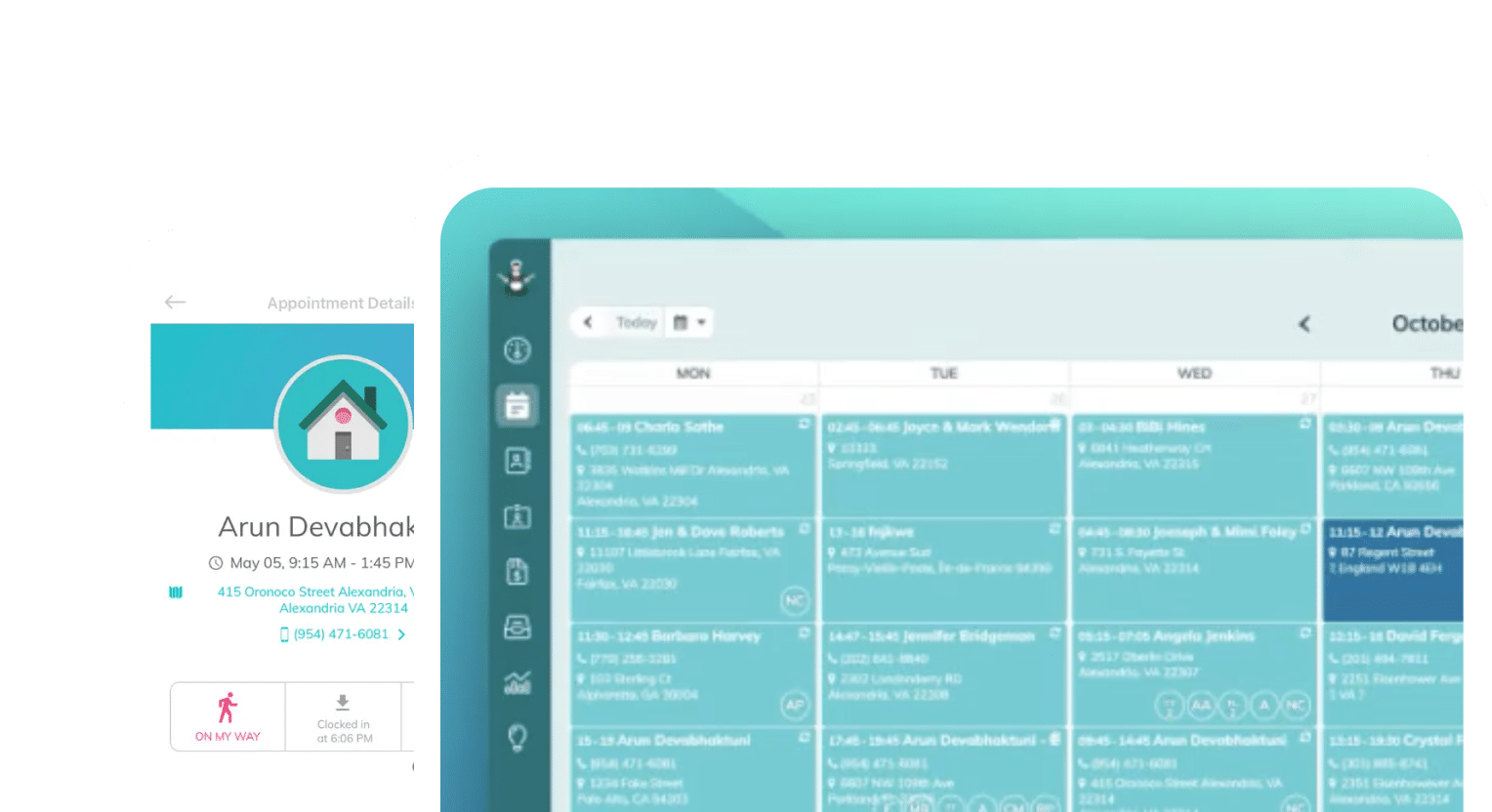
Frustrated with your scheduling? Try the easiest-to-use calendar app, made by and for maid service owners.

Brought to you by expert cleaning business owners

Tips and advice shared here have helped us grow our own maid services. The ZenMaid team currently has 5+ current and former cleaning business owners on our team, including our Founder and CEO, Amar. We’ve been in the maid service industry for 10+ years and counting.
We partner with amazing leaders in the cleaning industry, including Debbie Sardone, Stephanie Pipkin, Angela Brown, Chris Schwab, and many more — all to provide you with the latest industry insights.
We’ve built the easiest-to-use, comprehensive cleaning business software, built specifically for the industry!
Cancellation policies can get tricky. This is one of our most-requested topics, and we’ve covered this often on our podcast, Filthy Rich Cleaners.
Here’s the definitive guide to writing your cancellation policy, including a free, downloadable template you can customize and add to your client onboarding materials.
Table of contents
Writing Your Cancellation Policy
Your cancellation policy should be a formal, professional document that tells clients what you expect from them when they need to cancel or reschedule.
Everyone has emergencies, makes mistakes, or double-books themselves at some point. Your cancellation policy should acknowledge this while protecting your business from repeat issues or frequent cancellations.
You want to be able to accommodate clients who experience something unexpected, while guarding against bad behavior or poor communication. A solid cancellation policy can do both.
Top 8 Cancellation Policy Recommendations
Here are our top eight recommendations for a solid, fair cancellation policy:
- Clearly State Your Notice Period and Requirements: Typically, cleaning business owners require a 24–48 hour notice period for cancellations before the client incurs a penalty. Be clear whether you mean business hours or calendar hours, and how you prefer notice is given (text, in-app, email, phone call)
- Show Clients How to Properly Cancel: Choose the method that you’ll most likely see and share it exactly. Some cleaning companies require written notice via email or app only, so there’s a paper trail. Voicemails and texts to individual cleaners often don’t count
- Note Cancellation Fees and How You’ll Collect: When the client violates the notice period, most cleaning businesses charge a cancellation fee. This can be different if they do give notice, but too late, versus when they no-show for an appointment. Common structures are a flat fee (e.g., $50), a percentage of the scheduled service (e.g., 50%), or the full service charge for no-shows. Tell clients during onboarding how you’ll charge fees, whether by charging a card on file automatically, sending an invoice, or requiring payment before the next service is booked. This matters operationally and sets client expectations upfront
- Include a No-Show and Lockout Policy: If your cleaner arrives and can’t access the property — no one is home, the key is missing, your gate code is wrong — you can’t perform the service, which should be treated as a same-day cancellation and charged at the full rate since your team’s time was already committed
- Protect Against Repeat Cancellations: Include a clause that covers clients who cancel frequently. You might reserve the right to require a deposit, move them to a lower-priority scheduling slot, or discontinue service after a set number of cancellations within a rolling period
- Include Recurring Client Protections: Tell your clients on weekly or biweekly plans that skipping a visit may affect their recurring rate or slot. Some policies bump the price for the next visit if a recurring clean is skipped, since the home will need more time
- Note Policy Exceptions: In the event of certain circumstances, it might be nice to waive your cancellation fee. Illness, family emergencies, and extreme weather are all pragmatic reasons for late cancellations that protect your employees and clients alike. Keeping this vague gives you discretion. Being too specific creates loopholes.
- Require a Signature: Ask clients to agree to the policy at the time of booking, whether through a checkbox, a signed form, or a confirmation email. This makes it enforceable
Explain How Cancellation Fees Are Structured
Creating a tiered cancellation fee structure makes it clear and easy to understand when clients trigger different fees. It also gives clients who are regularly on top of things some leeway — you don’t want to punish good clients, but you do need to protect your business, your time, and your earnings.
Always outline your fee structure in your cancellation policy and acknowledge it during client onboarding. Here’s an example fee structure:
- No fee if 24–48 hours’ notice is given
- 50% of the service fee if less than 24 hours’ notice is given
- 100% of the service fee if the client no-shows
Even this brief explanation gives clients a clear picture of what they’ll be charged if they can’t meet your notice period. As we mentioned earlier, asking clients to acknowledge your fee structure during onboarding specifically gives you a way of enforcing your policies and reduces surprise and upset clients.
Some cleaning companies, especially those who have been burned by repeat offenders or incorrect notifications, charge fees when notice is given improperly. Consider a fee structure to encourage clients to notify properly, such as:
- No fee is charged if the appointment is canceled in-app, as well as 24–48 hours in advance
- A 50% fee is charged if the client just emails or leaves a voicemail
Just be careful not to get too specific, as that can create loopholes in your policy. Staying vague gives you discretion to charge fees on a case-by-case basis.
You should also always keep your clients’ credit cards on file before booking. This is one of the highest-leverage things you can do to protect your cleaning business.
A card on file means you can auto-charge fees without confrontation, and it acts as a deterrent: clients who know a fee will be charged automatically are more likely to give proper notice.
Cancellation Policy Template [Free Download]
Take the guesswork out of writing your own policy and use ours. Fill in your details and generate a downloadable PDF with everything you need, written in plain language that protects you and your business.
Cancellation Policy Generator
Fill in your details on the left and your policy document updates instantly on the right. Download as a PDF when ready.
Your policy details
Fill in every fieldLive preview
Almost there — where should we send your copy?
Enter your email to download the policy. We'll also send you a copy for safekeeping.
Your PDF is downloading!
We've also noted your email: .
Check your inbox shortly for your copy.
FAQs About Enforcing Your Cancellation Policy
Does a text message count as a valid cancellation notice?
You get to decide whether this counts, but whatever you decide should be in your policy. Define exactly what counts — email to a specific address, a message through your booking app, or a phone call to your main number. Texts to individual cleaners are the most problematic because they’re easy to miss, hard to track, and give clients a way to claim they notified someone without a central record. Your policy should explicitly state that messages to individual staff don’t count as valid notice.
What if a client cancels during off-hours or on a weekend?
Your policy should clarify whether the notice window is based on calendar hours or business hours. Most small cleaning businesses use calendar hours, so that a cancellation at 11pm on Friday counts just like one at 9am Monday. If you use an app or automated system, time-stamped messages make this easy to enforce. If you track manually, state clearly that weekend notices are processed the next business day.
What if an existing client refuses to sign a new or updated cancellation policy?
Sometimes a client objects to a specific clause, rather than the whole policy, so check with them to understand their true concern. An easy conversation can often resolve it. If they refuse to agree to any version of the policy, you have to decide whether to continue service without that protection or part ways. Frame it professionally: “We’re updating our agreements with all clients to make sure everyone is on the same page about our terms.” Most reasonable clients will sign.
What if a client ignores the fee and simply refuses to pay?
If you have a card on file, auto-charging is the cleanest approach because you don’t have to confront anyone directly. If there’s no card on file, your options are: send an invoice with a clear due date, withhold future service until the balance is paid, or write it off and end the relationship. For small amounts, the cost of chasing payment often exceeds the fee itself. This is why requiring a card on file before booking is strongly recommended.
What if a client disputes the cancellation fee with their credit card company?
Chargebacks are a real risk. Your best defense is documentation: a signed or electronically acknowledged agreement that clearly states the fee, a timestamp showing when the cancellation was received, and a record of your communication with the client. If you use booking software, make sure it keeps a full audit trail. Most card companies side with businesses that can show a clear, agreed-upon policy was in place.
How do I bring up the cancellation policy without sounding confrontational?
This policy applies to everyone — there is nothing personal about it. Present it as part of your standard onboarding process. This removes the worry that it’s directed at a specific client. When sending a new client their confirmation, include the policy alongside other logistics. Frame it positively: “Like most service businesses, we hold your time slot exclusively for you. We have a 48-hour cancellation policy to help us manage our team’s schedule. Here’s the full policy for your records.” Everyone should understand you’re respectfully asking for clear communication.
At what point should I fire a client who keeps canceling?
If a client cancels more than three times in a 90-day period, they’re causing more operational disruption than they’re worth, even if you’re collecting fees. Before ending the relationship, have one clear conversation: “We’ve noticed a pattern of last-minute cancellations that’s been hard for our scheduling. Going forward, we’ll require a deposit to hold your slot. If that doesn’t work for you, I completely understand.” This gives them a chance to adjust, and you a professional exit if they don’t.
Should my policy be stricter for commercial vs. residential clients?
Generally, yes. Commercial clients typically operate on tighter schedules and expect more formal agreements. A 48-hour notice requirement and deposit are more accepted in B2B contexts. Residential clients tend to expect more flexibility, though your policy can still be firm. The framing and tone of enforcement may need to be softer with residential clients than with commercial ones.
Does my policy need to be reviewed by a lawyer?
For a basic residential cancellation policy, legal review is helpful but not strictly necessary for most small businesses just getting started. A clear, plainly written policy that covers notice, fees, and how to cancel is far better than no policy at all. As your business grows or you work with more commercial clients, multiple employees, or in states with specific consumer protection laws, a legal review becomes more worthwhile. An hour with a small business attorney can give you peace of mind and catch things you might have missed.